Reviving Forgotten Crops: A New Chapter in India’s Food Future
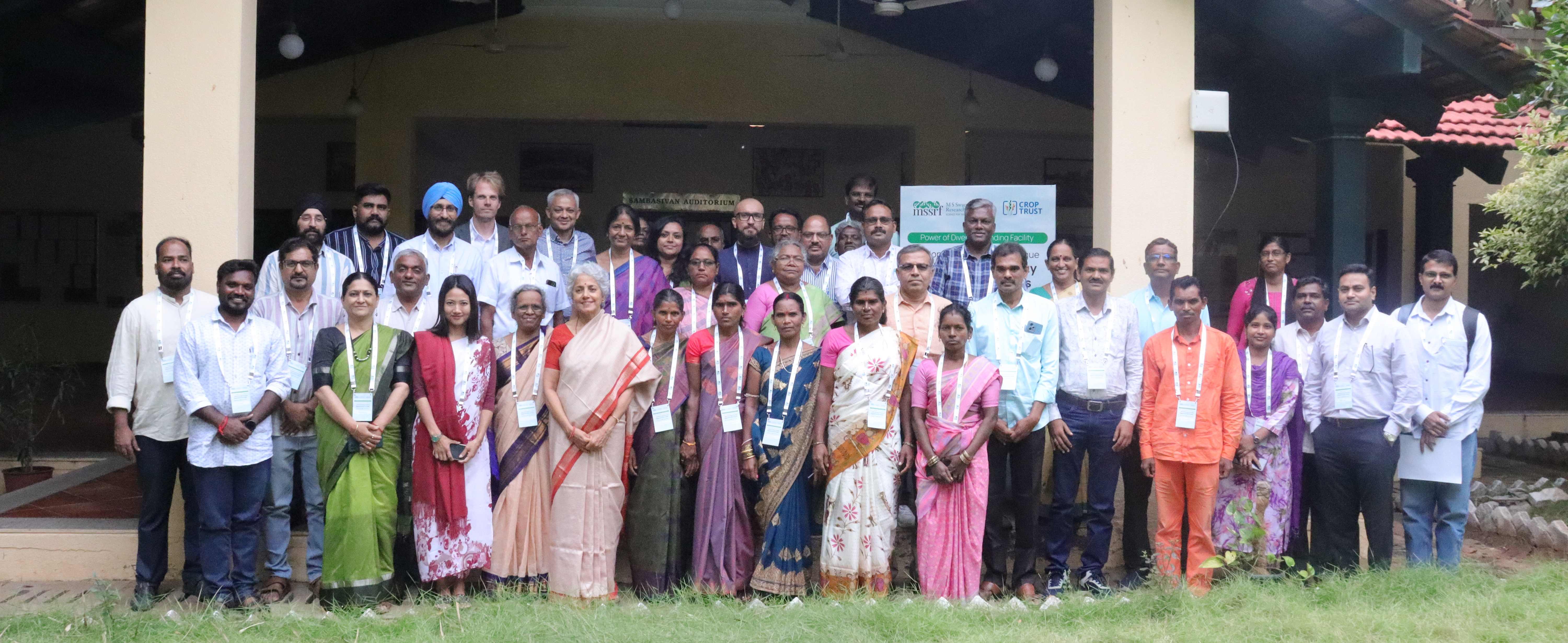
India’s agricultural landscape is rich with diversity, yet many traditional crops have quietly faded from mainstream attention. At a recent national dialogue hosted by the MS Swaminathan Research Foundation and Crop Trust called the ‘Power of Diversity Funding Facility – Identifying Priority Opportunity Crops’, scientists, farmers, and policymakers came together to spotlight these neglected and underutilised species (NUS)—and why they might hold the key to a healthier, more sustainable future.
Nico Wilms Posen from the Crop Trust opened the conversation by announcing the organisation’s first steps into India’s NUS space. These crops, often overlooked in modern agriculture, are deeply rooted in local traditions and ecosystems. Dr. Kuldeep Singh of ICRISAT reminded the audience that older generations in rural villages still cook with millets and understand their nutritional benefits—knowledge that must be preserved and passed on.
Dr. J.C. Rana from the Alliance Bioversity-CIAT raised concerns about the loss of indigenous food wisdom and called for youth engagement in reviving Indian crops. “We must be sensitive in how we involve young people,” he said, “but their participation is essential.” Dr. Tara Satyavathi of IIMR emphasized that food, health, and nutrition should be top priorities, and encouraged a shift from refined flour to millets, which offer better health and business opportunities for communities.
Dr. Sunil Archak from National Bureau of Plant Genetic Resources (NBPGR) added that instead of introducing new crops, we should identify and support those already thriving in specific regions. He also highlighted the importance of youth involvement in building sustainable food systems.
Farmers from Kolli Hills and Allapadi shared powerful stories of resilience and innovation. They’ve been growing millets and black gram, forming federations and working with MSSRF to overcome market challenges. Yet, they still face hurdles in reaching the right consumers and making their produce more accessible.
These farmers, many of them women, have been cultivating millets and black gram. The farmers formed a federation to manage the growing and selling of their millets to navigate market challenges in collaboration with MSSRF. Yet, they continue to face barriers in reaching the right consumers and making their nutritious produce more accessible. Dr. Swaminathan emphasised the urgent need to bridge the gap between traditional producers and modern markets.
She spotlighted the broader issue of agrobiodiversity loss, particularly in regions like Arunachal Pradesh and the Northeast, and called for tracking and reviving non-mainstream crops—including marine foods like seaweed, once a dietary staple now largely forgotten. Addressing a critical gap in nutrition—especially for women—Dr. Soumya Swaminathan highlighted the importance of iron, protein, and micronutrient-rich foods. “The answer could come from food,” she said, advocating for millets to be made more accessible through the Public Distribution System (PDS).
Prime Minister Narendra Modi, during his speech at the M.S. Swaminathan Centenary International Conference on 7th August 2025, urged scientists at the conference to rethink how India can move from building food security to nutrition security. Dr Soumya Swaminathan’s call for a nationwide movement on food and nutrition security resonates with the farmers’ own push to bring opportunity crops to wider audiences.
Importantly, she recognised the pivotal role of women farmers as custodians of traditional crops. “They’ve done the hard work of conserving these species,” she noted, “but the drudgery is intense. We must do more to support them.”
This dialogue marks a hopeful turning point—where farmers’ voices are not just being heard but amplified. Together, they are shaping a more nutritious, resilient, and inclusive food system for India.