
MSSRF sets up a large water ATM at the heat study site in Perungudi
The M. S. Swaminathan Research Foundation (MSSRF) on Saturday inaugurated a water ATM at its heat stress study site in Perungudi. The water ATM, with a capacity of 3,000 litres, will allow residents to collect 20-litre cans of water at a cost of Rs 5 per can.
MSSRF's ongoing study is a four-year longitudinal study across four sites in Tamil Nadu and Karnataka, aimed at evaluating the effects of heat on physical and mental health in South India. Perungudi is one of the study sites.
The second study site in Tamil Nadu is Poompuhar in Mayiladuthurai. In Karnataka, the study sites include Sirwar in Raichur district and Challakere in Chitradurga district.
"During our field visits, lack of easy access to drinking water was constantly flagged by community members," said Dr Mohan Kumar, Director, Health Systems and Nutrition, MSSRF. "So, we thought it would be an important contribution to set up a water ATM for the community we are working with. This water ATM, unlike others that dispense smaller quantities of water, allows residents to get 20 litres at once at a minimal cost. We aim to set up similar water ATMs at our other study sites," he said.
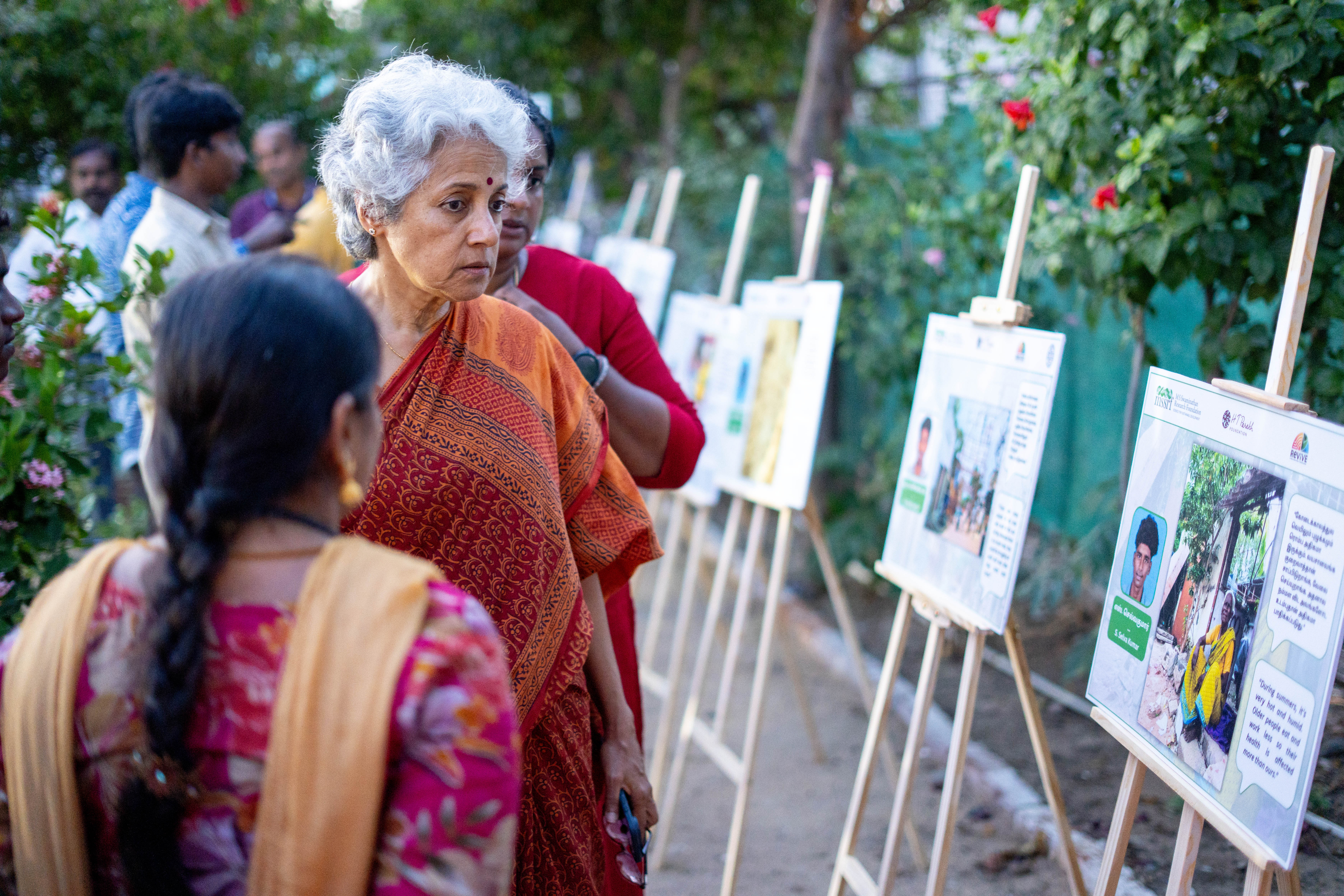
Saturday's inauguration event also featured an exhibition of eight photographs taken by local youth on their understanding of heat and how it impacts health, food choices and livelihoods. The youngsters, who are part of a photovoice study focusing on heat and nutrition, captured their perspectives on heat and its impact on their lives.
R Rakshana (10), one of the participants in the photovoice study, captured a water tank. She said, "It is difficult to get clean drinking water here. I've seen many people fight for getting water from the water tank."
D Vinotha (13), another participant, captured photographs of fresh fruits. She said, "People enjoy mangoes in summer, but I was taught that they increase body heat. At home, we prefer pomegranates and jamun as refreshing, healthier alternatives."
Another participant, K Vinodhkumar (18), who captured a photograph of a stack of cool drinks, said, "Many people drink these cool drinks when they are thirsty. But their colours and taste are all fake. There are many chemicals in them."
The broad objectives of the heat studies are to estimate household- and individual-level heat exposure; assess the prevalence of heat-related illnesses in the community; identify adaptive mechanisms to cope with heat; assess the mental health and wellbeing of the community and identify factors driving mental stress; develop early warning systems at the individual, sub-district and district levels; and assess the preparedness of health systems to respond to heat situations in the state.
“Beyond research, we also want to respond to immediate community needs. The water ATM introduced here is our first such initiative. We will assess how useful this intervention is to the community and explore other practical solutions based on what we learn from the study," said Dr Soumya Swaminathan, chairperson of MSSRF who was present at the event.
Talking about the heat study, she said, as weather patterns change, we want to understand how heat affects nutrition, heart rate, sleep, and overall well-being. "We are particularly interested in vulnerable groups, including newborns, older people, and those living with conditions such as diabetes and high blood pressure, who may be more susceptible to heat-related health problems and dehydration," she added.
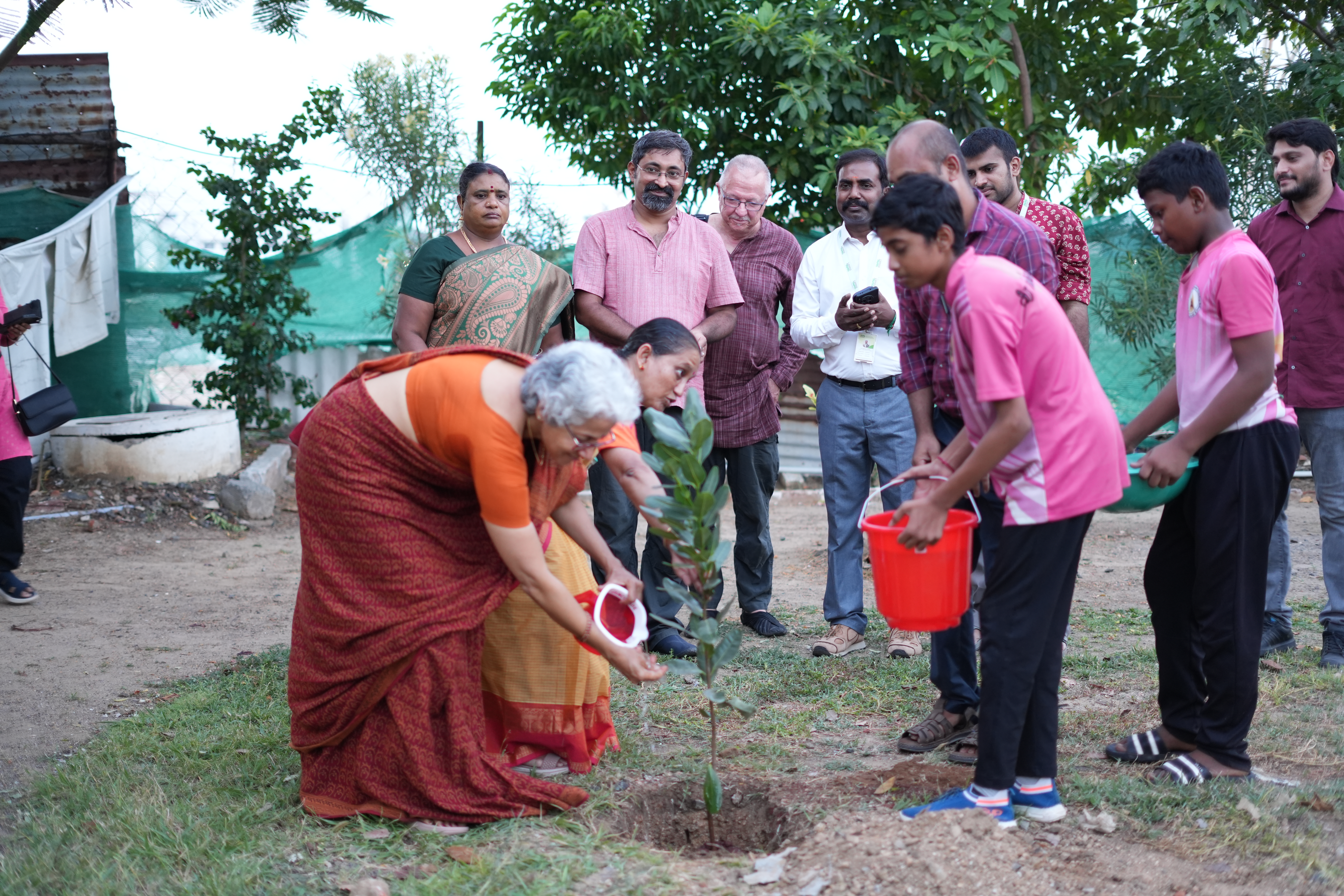
The event also featured a street play, Silambam performance, prize distribution and tree planting initiative.