
Biohappiness

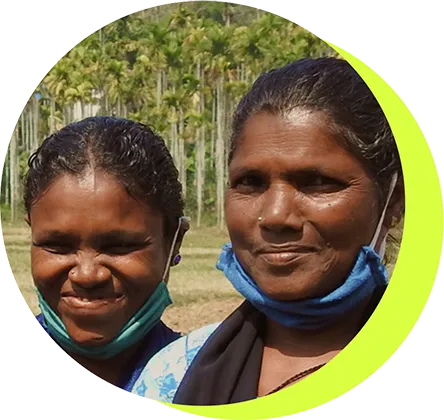


What is Biohappiness and what does it look like?
Biohappiness Revealed invites you to wander through some of the fields and homes where forgotten crops return to life, enhancing nutrition, guided by farmers, scientists, and young innovators who heal both ecosystems and communities. Along the way, ecotechnology and supporting ecosystems nurture nature’s balance, while innovators and entrepreneurs turn earth’s gifts into wealth. In every step, you feel it, the happiness of people and the planet growing together, as one.
About the exhibit
This collection of 24 information artworks, also available in a physical traveling exhibit premiering in Delhi in August 2025, unveils the faces and stories shaping a world where the pursuit of biodiversity and equity fuels both resilience and joy.
This exhibit is curated by Dr. Israel Oliver King and Mr. Srini Raman from the M. S. Swaminathan Research Foundation, and features information artworks made by Alberto Miti in Tamil Nadu and Kerala.
This exhibit is designed by The Lexicon. The Lexicon is a USA-based non-profit organisation that helps people pay closer attention to what they buy, how they eat, and where their responsibility begins for creating a healthier and safer planet.
These icons are part of Lex Icons, a powerful initiative by The Lexicon to create a rich, expert-driven library of symbols that illuminate the essential terms and principles of our global food systems. Explore the full library at lexiconoffood.com.


Biodiversity for Nutrition
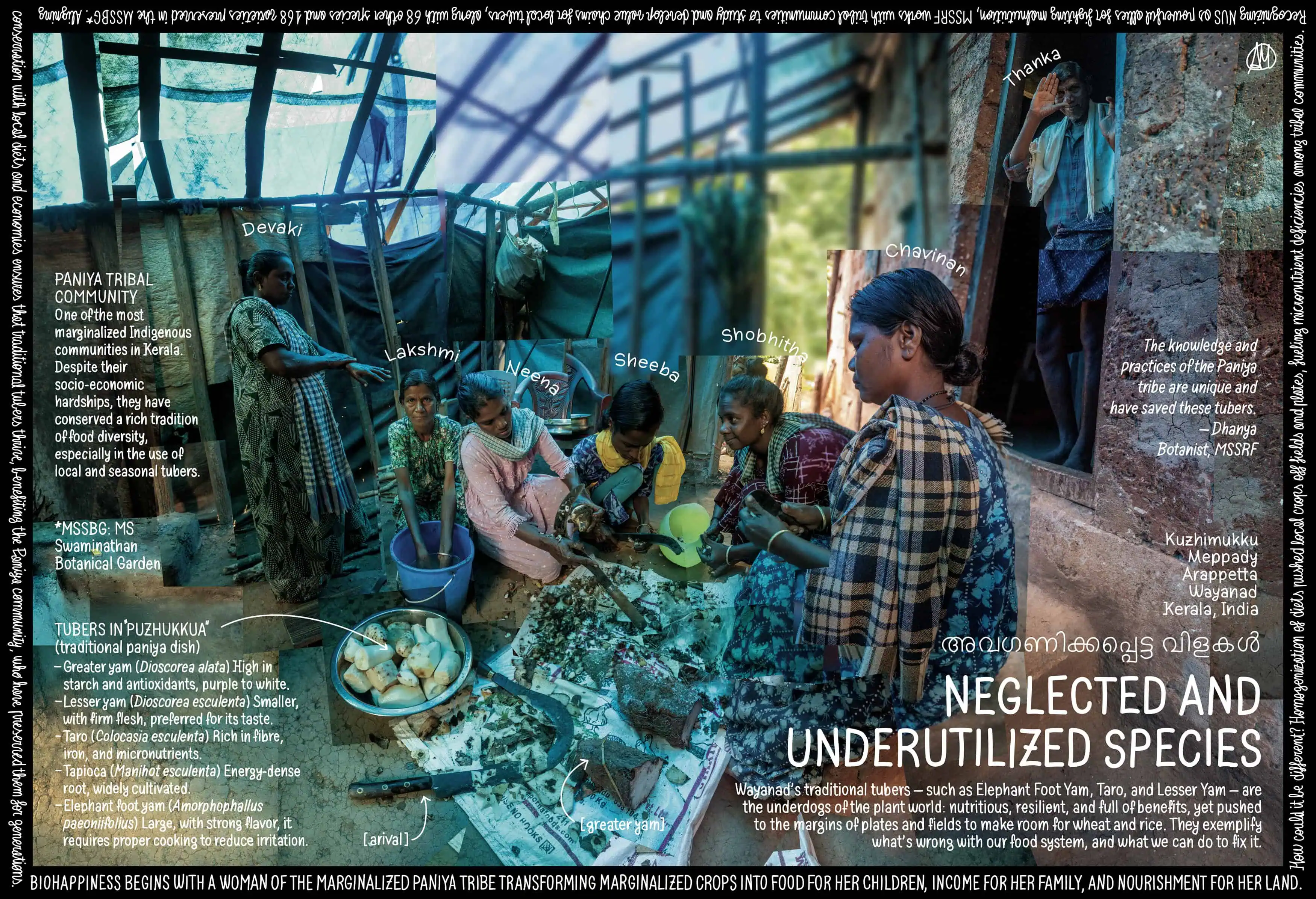

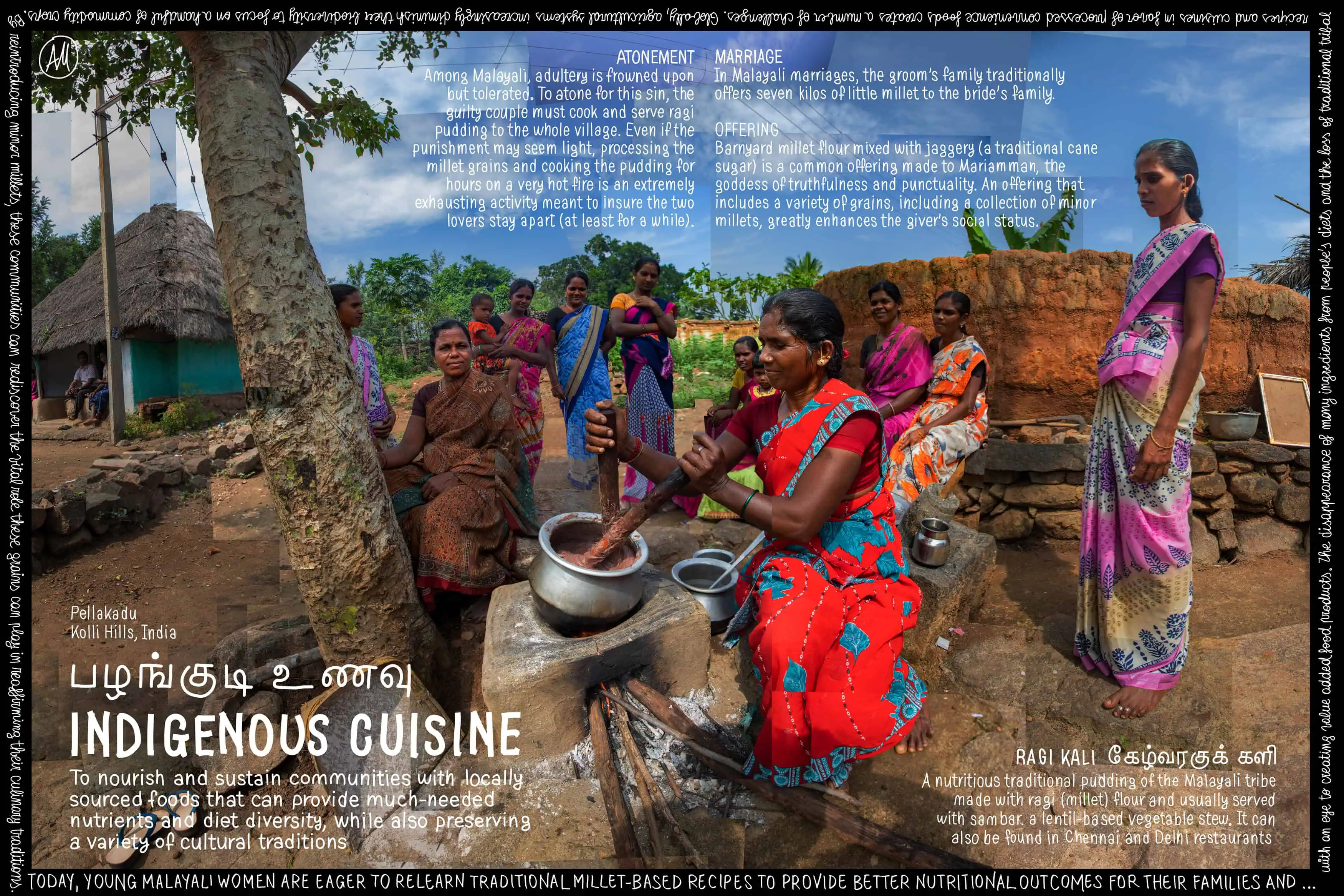


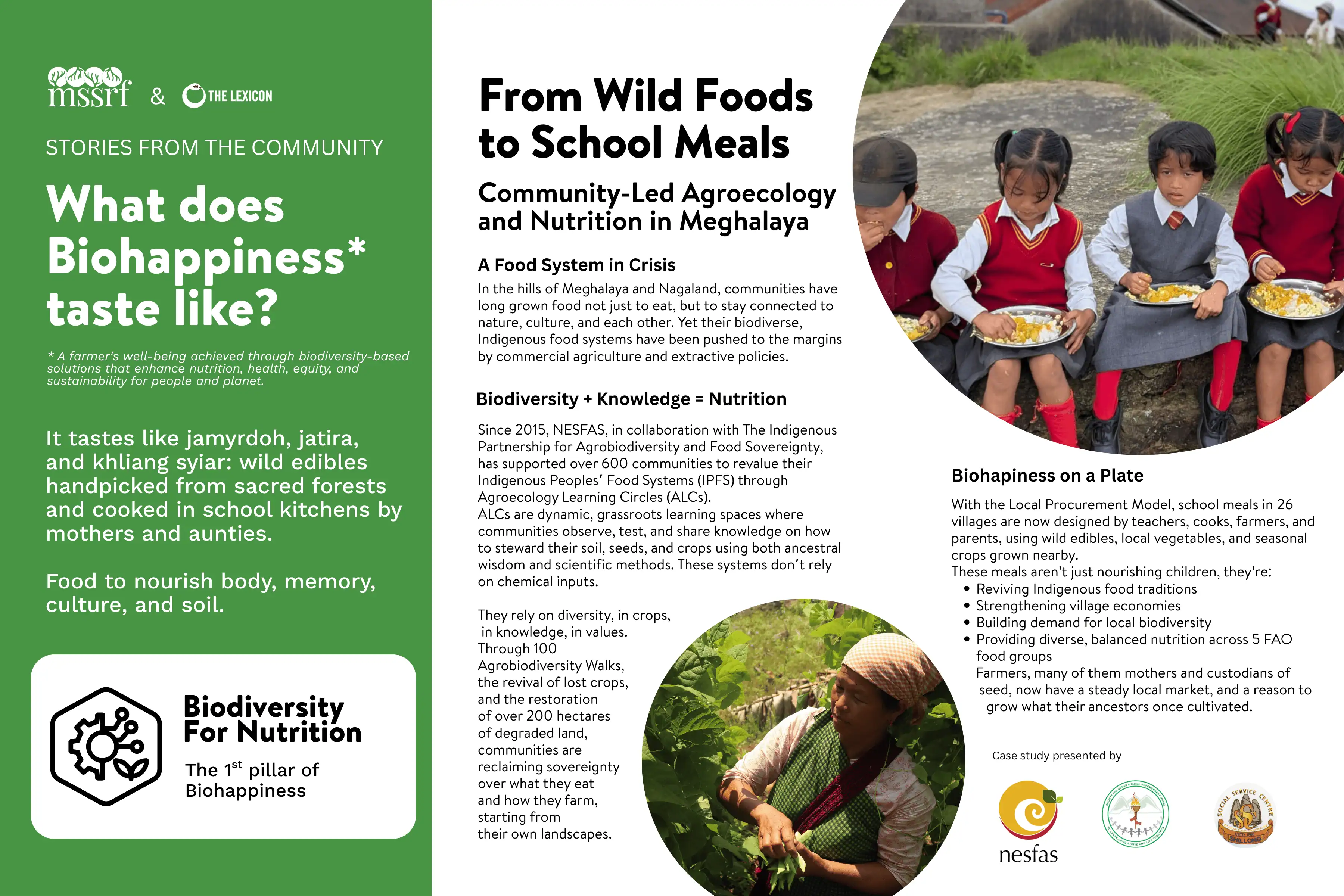
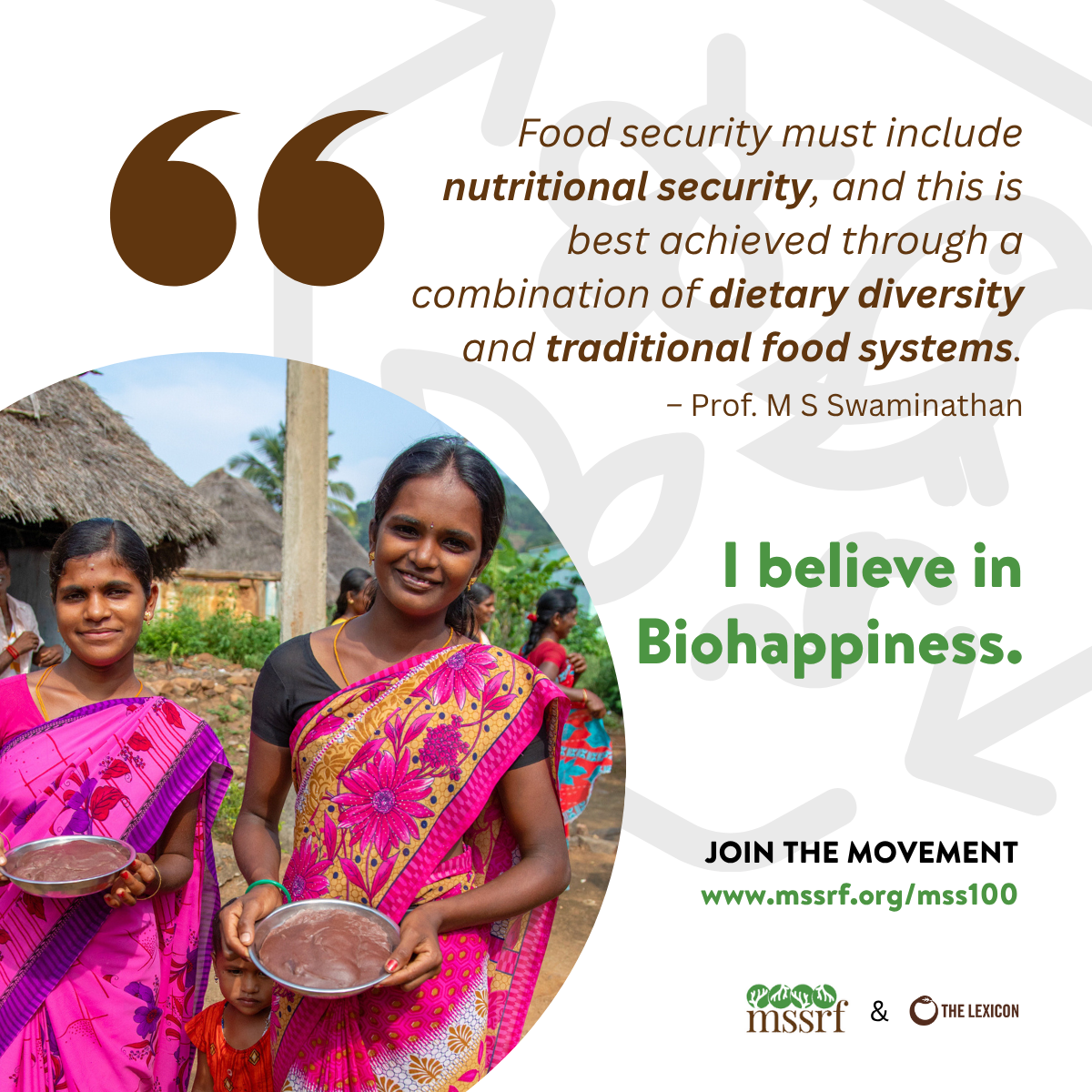
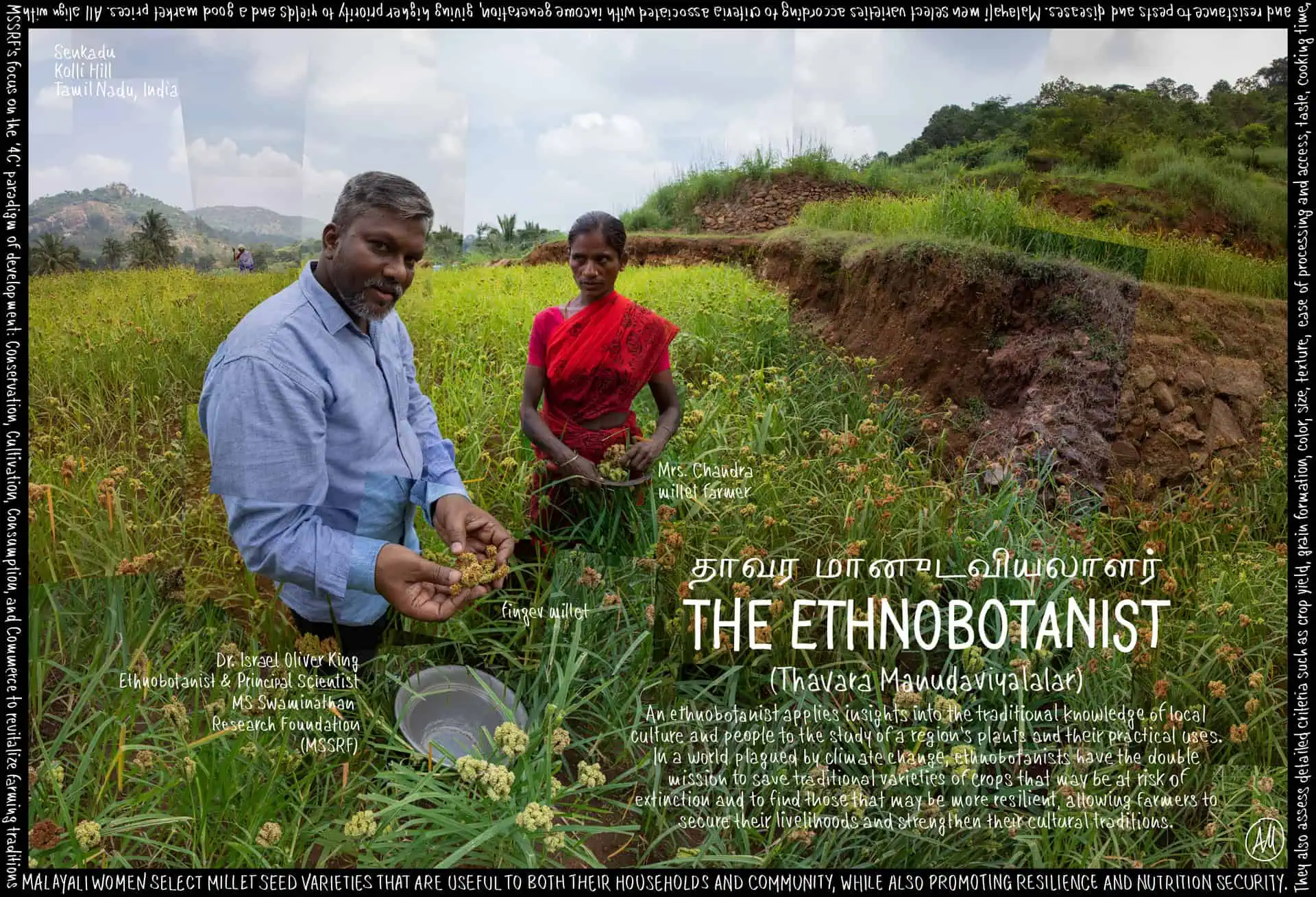
Across India, women and Indigenous communities have long nurtured a rich tapestry of crops, animals, and wild edibles, guardians of agrobiodiversity and traditional knowledge. By celebrating and reviving agrobiodiversity and Neglected and Underutilized Species (NUS), they are enriching diets, reclaiming food sovereignty, and restoring ecosystems. These diverse, nutrient-rich foods offer a powerful response to malnutrition, climate change, and cultural erosion, nourishing both people and the planet.


Eco-Technologies
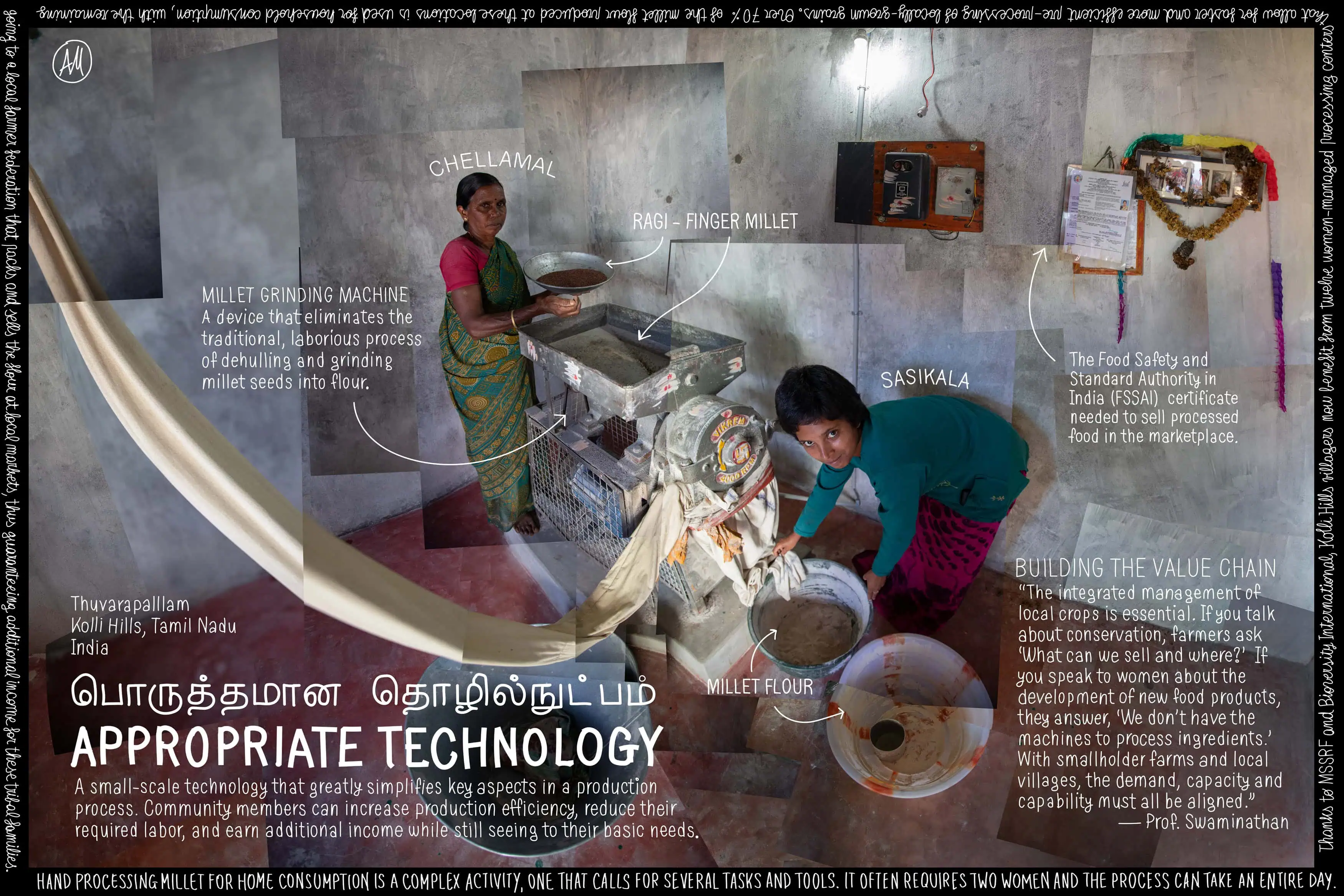
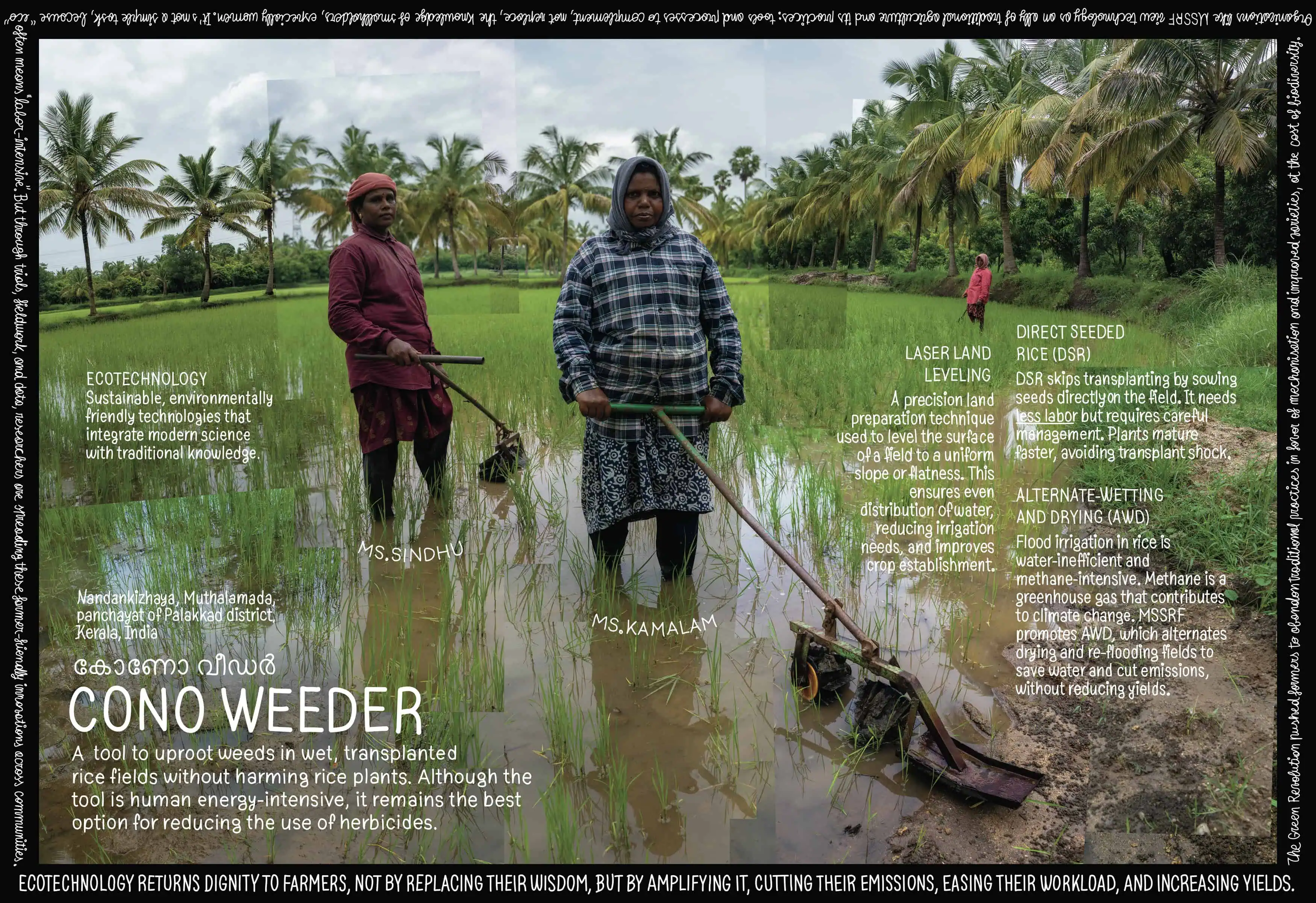
Farmers face pressure to grow more with fewer resources and less harm to the planet. Ecotechnology, like solar dryers, biofertilizers, and decentralized water systems is helping them do just that. Co-developed with researchers, these tools boost productivity, lower costs, and support climate resilience. More than just innovations, they give farmers greater control over their future, farming in harmony with nature while improving their livelihoods.

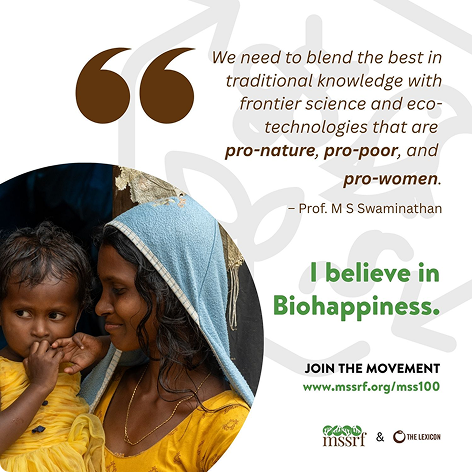

Enabling Ecosystem

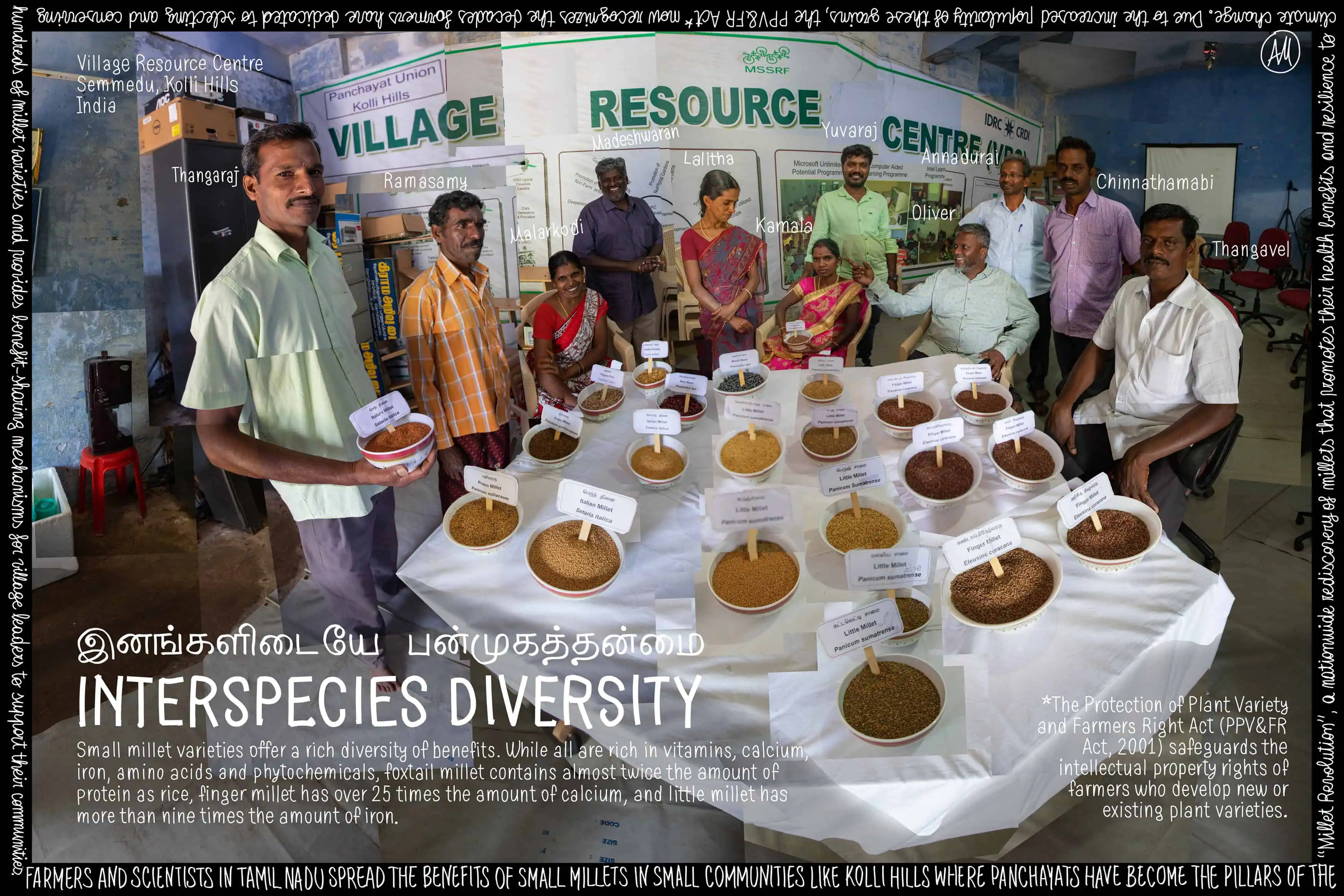
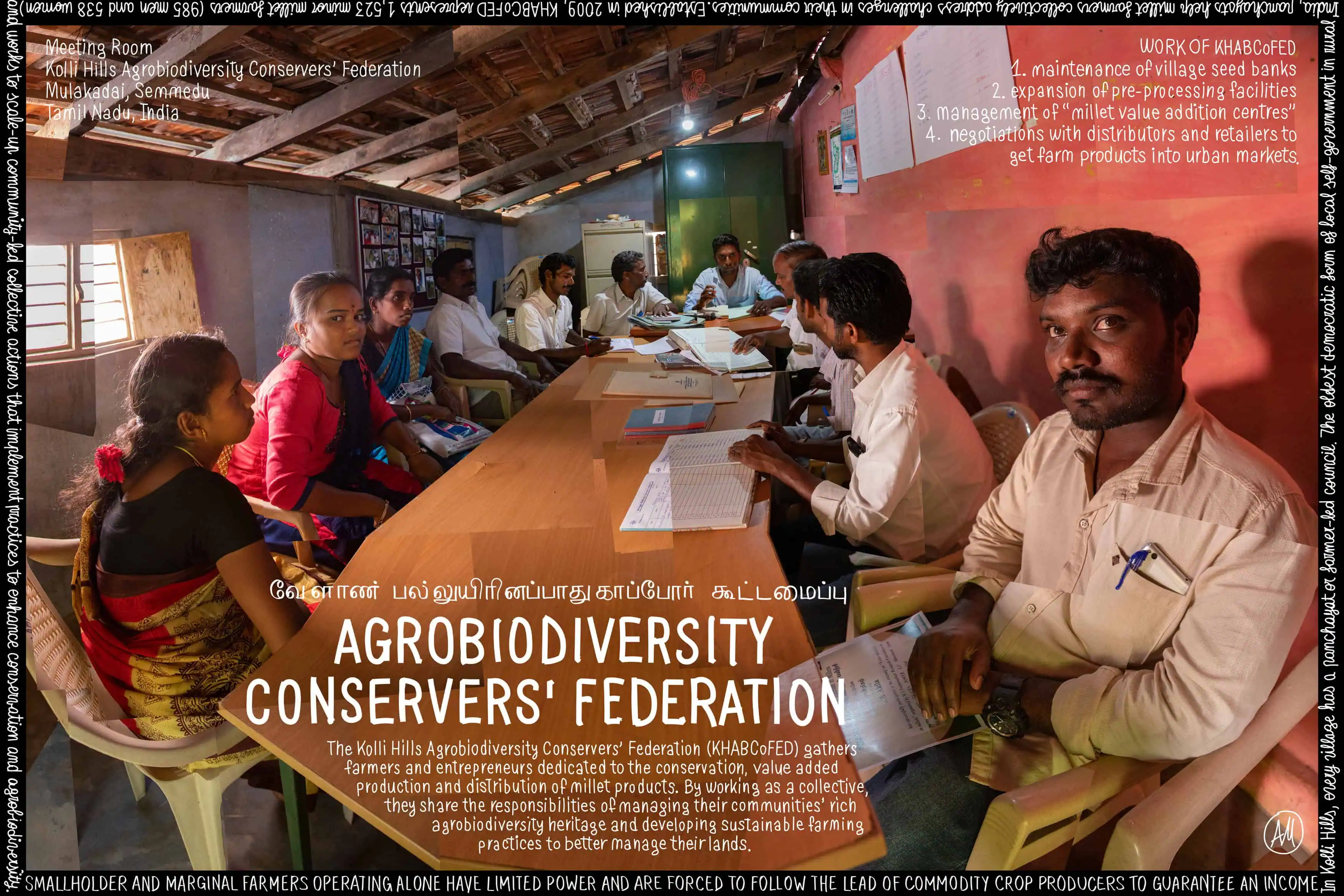
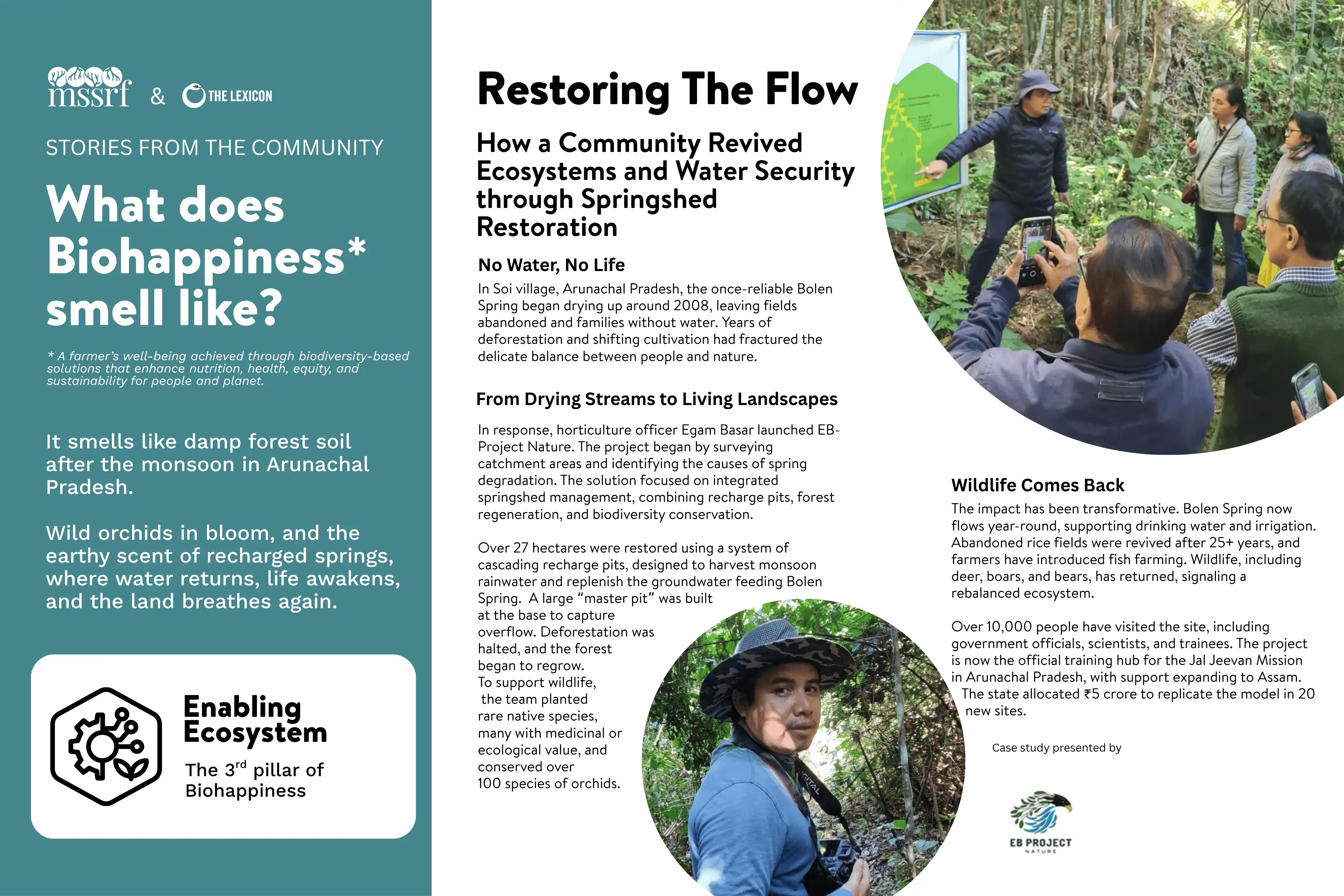
An enabling ecosystem is what makes biohappiness possible. When supportive policies, local knowledge, funding, and strong institutions come together, biodiversity-based solutions can take root and grow. It’s how farmers, communities, and innovators turn ideas into action, scaling what works, preserving what matters, and creating lasting change. With the right support system in place, traditional wisdom and modern science can thrive side by side, building a future where people and planet flourish together.

Women and Youth First
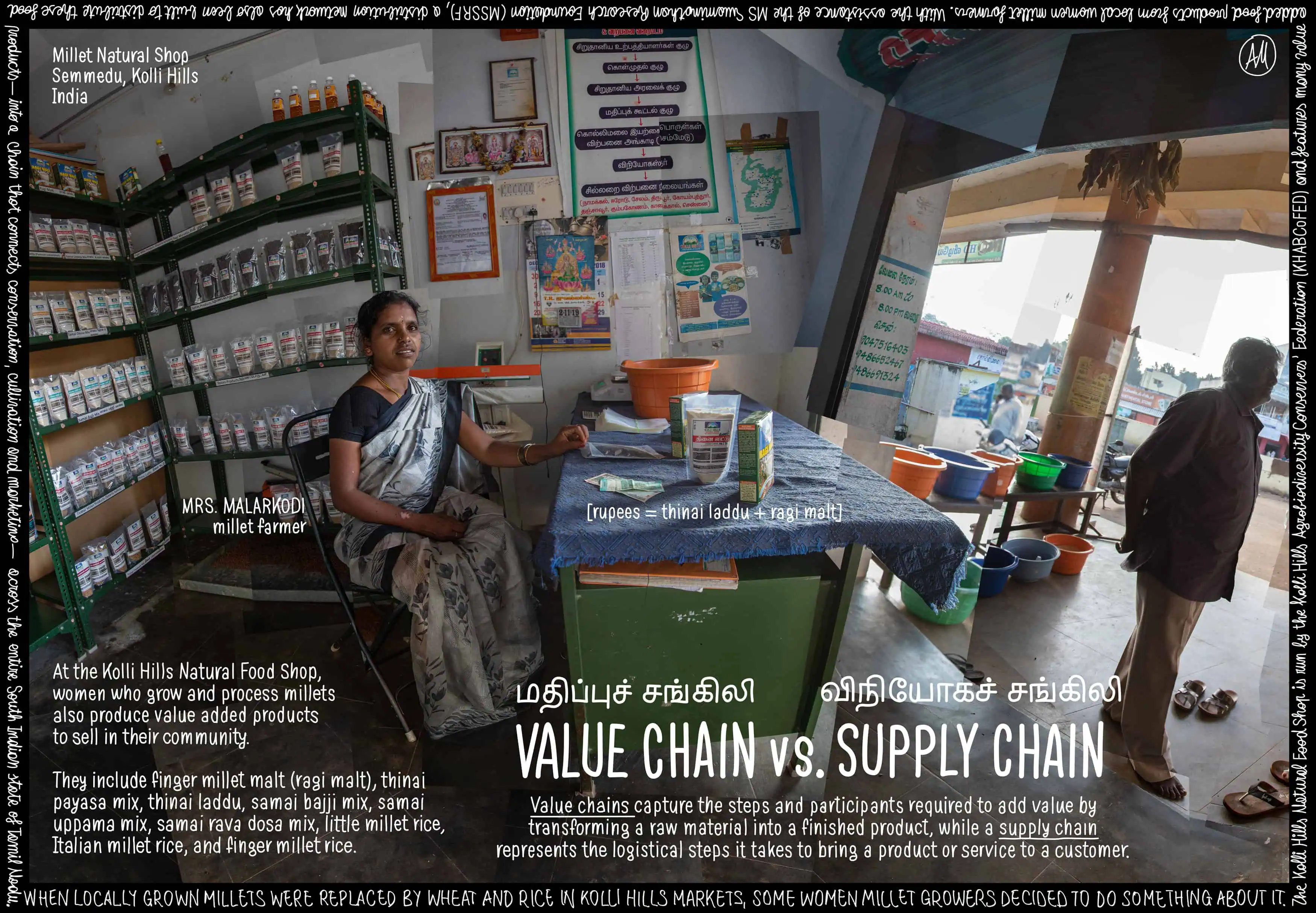
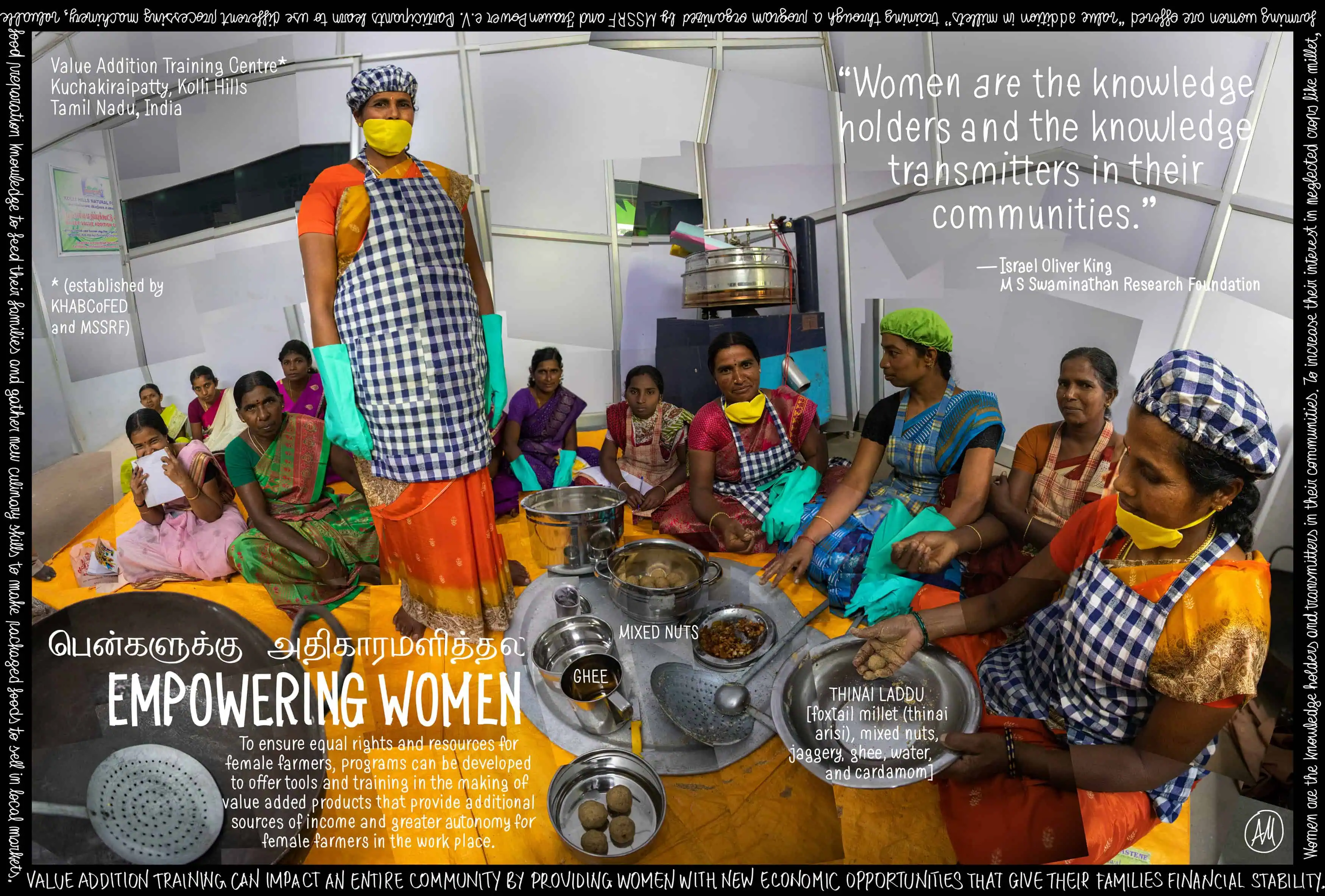
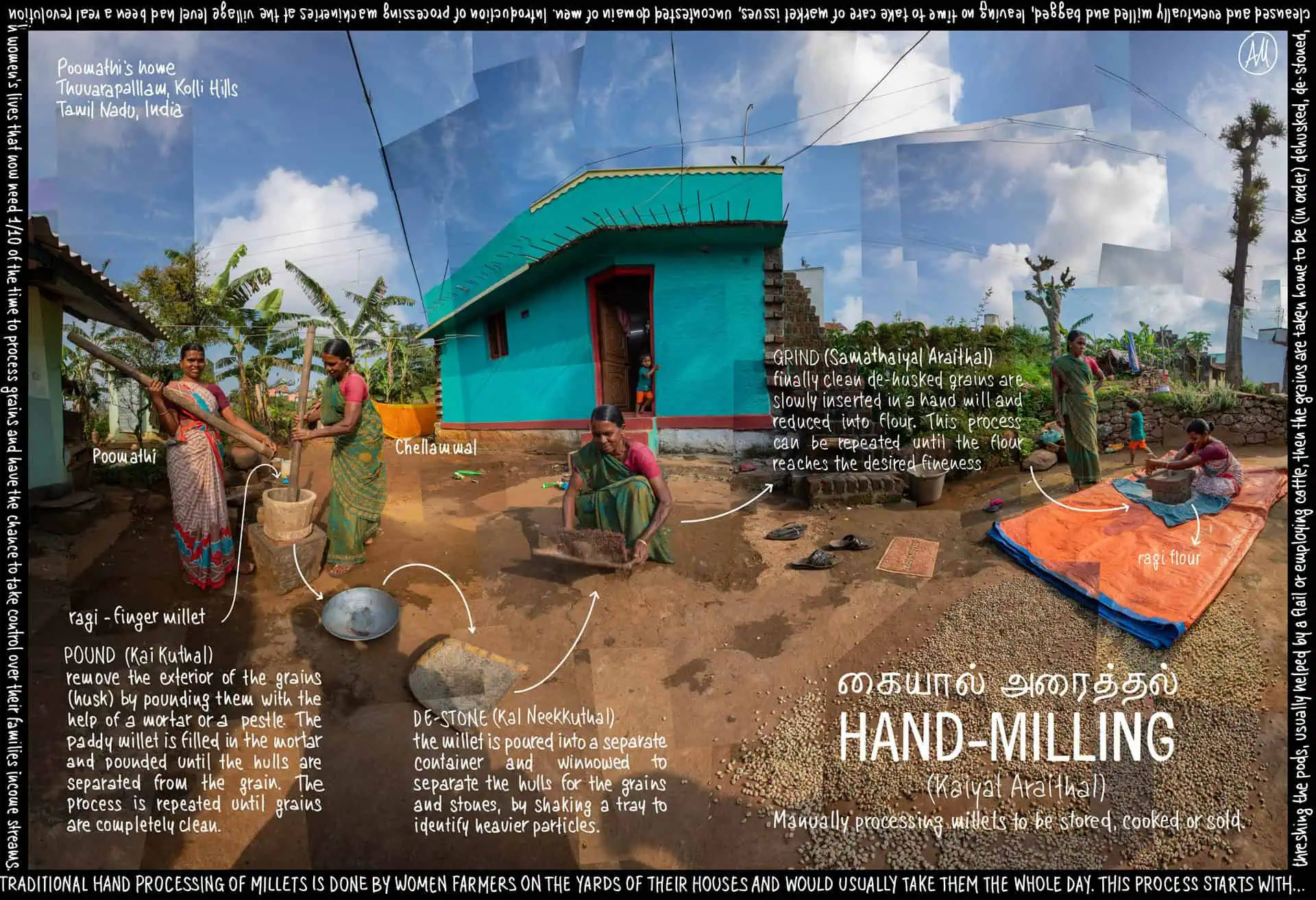
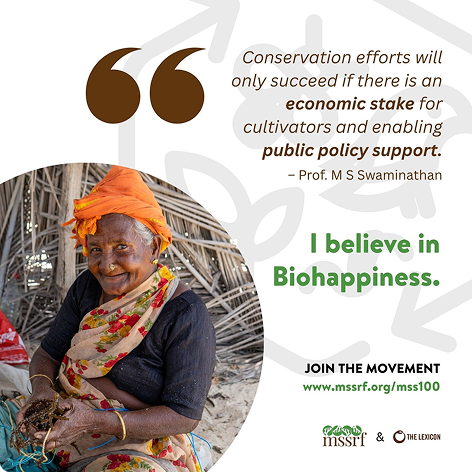
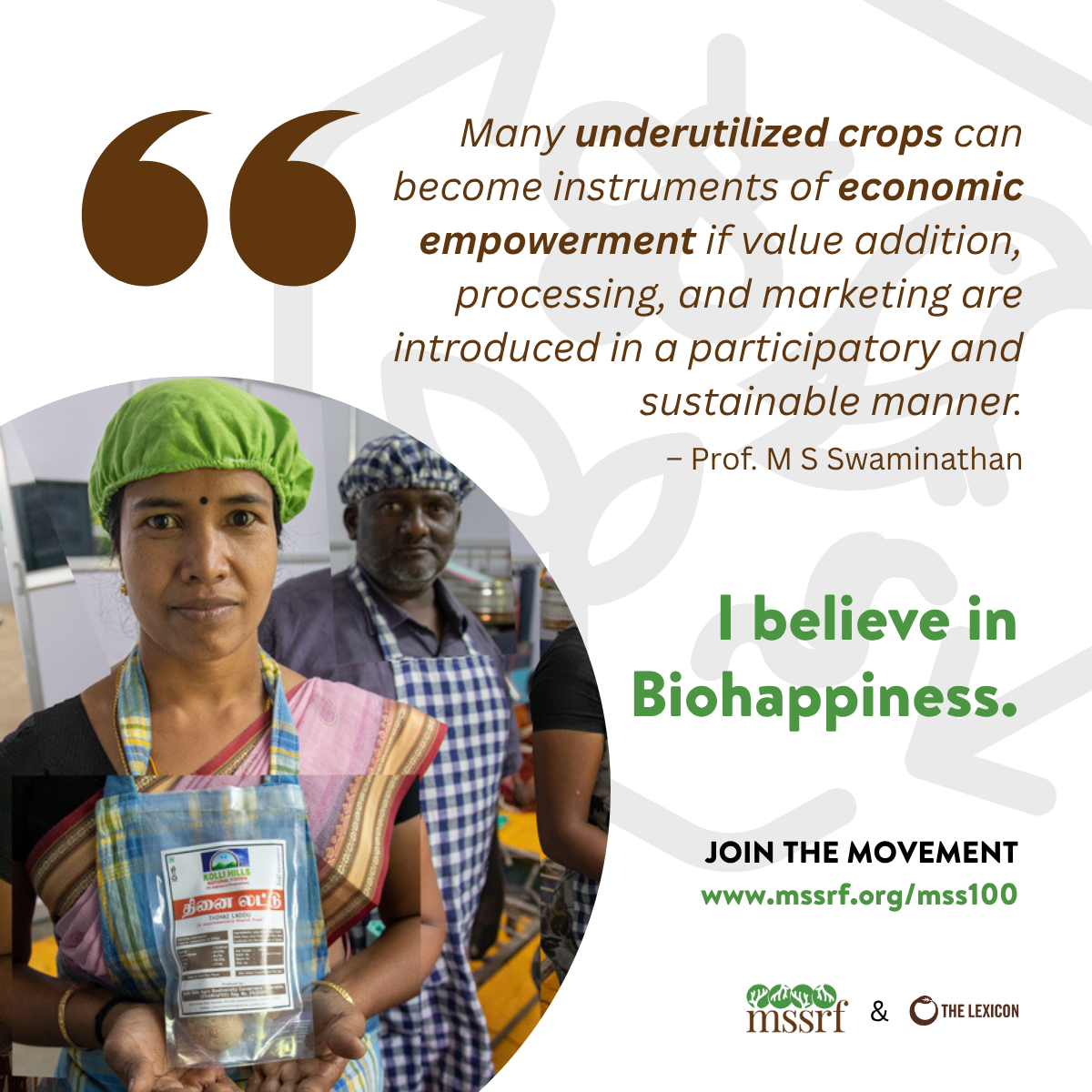
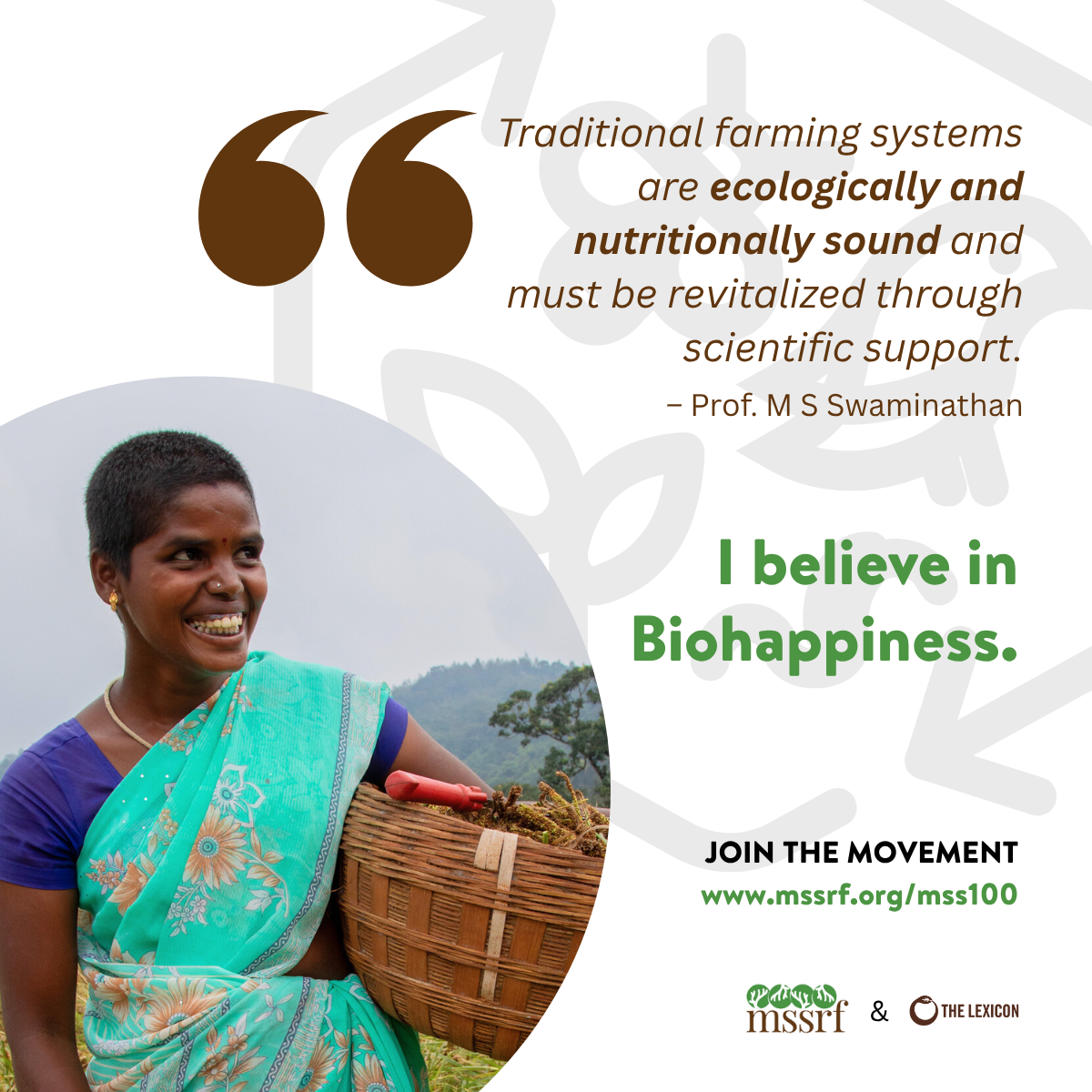
Women are the true guardians of agrobiodiversity: they save seeds, protect traditions, and nurture the land that feeds us all. Creating the conditions for them to take real power in decision-making isn’t just fair, it’s vital for sustainable farming and healthy communities. At the same time, youth must be included because they are the ones who will build and experience the future. When women and young people lead together, they bring fresh solutions and deep wisdom, ensuring lasting change.


Regenerative Farming
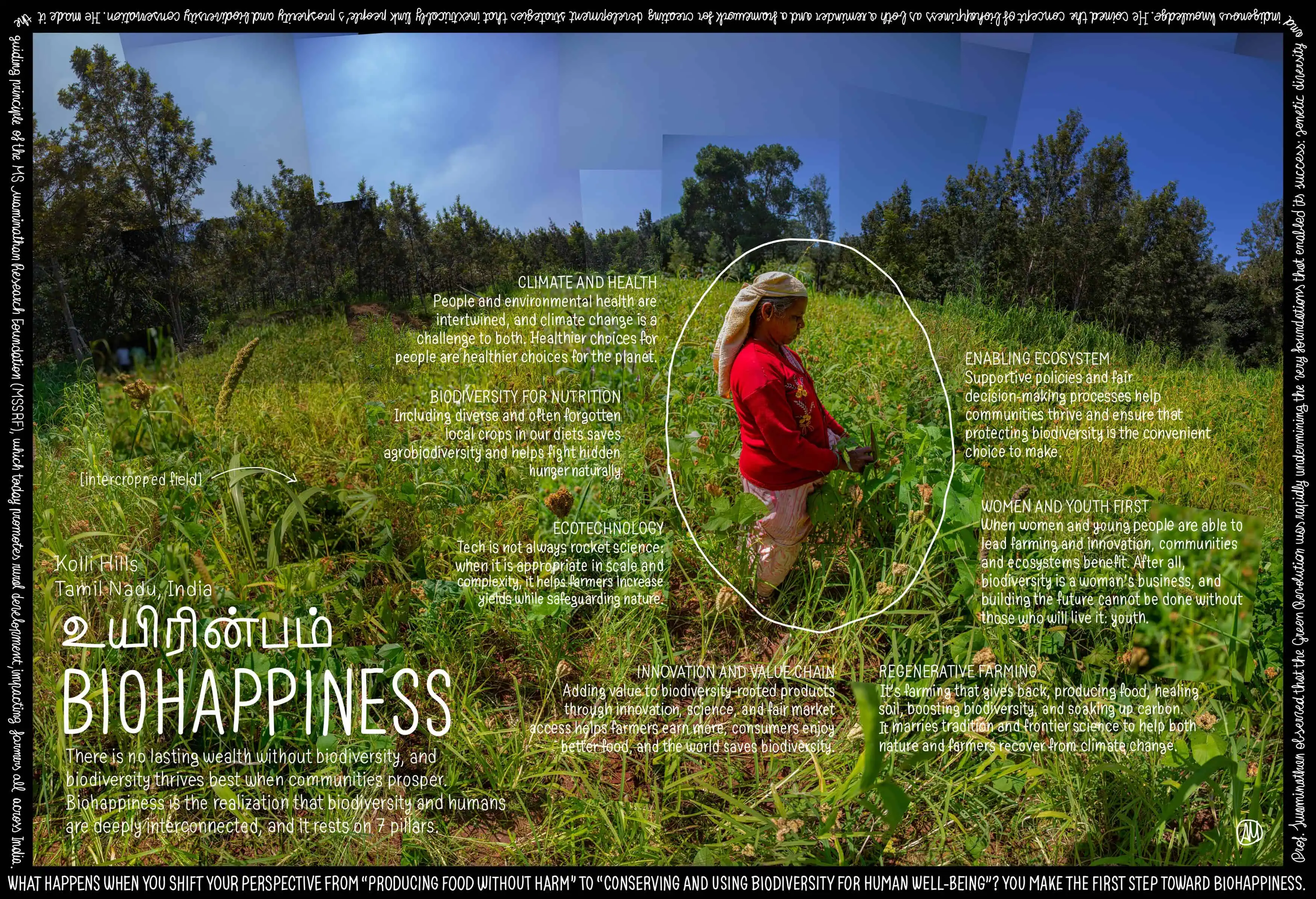
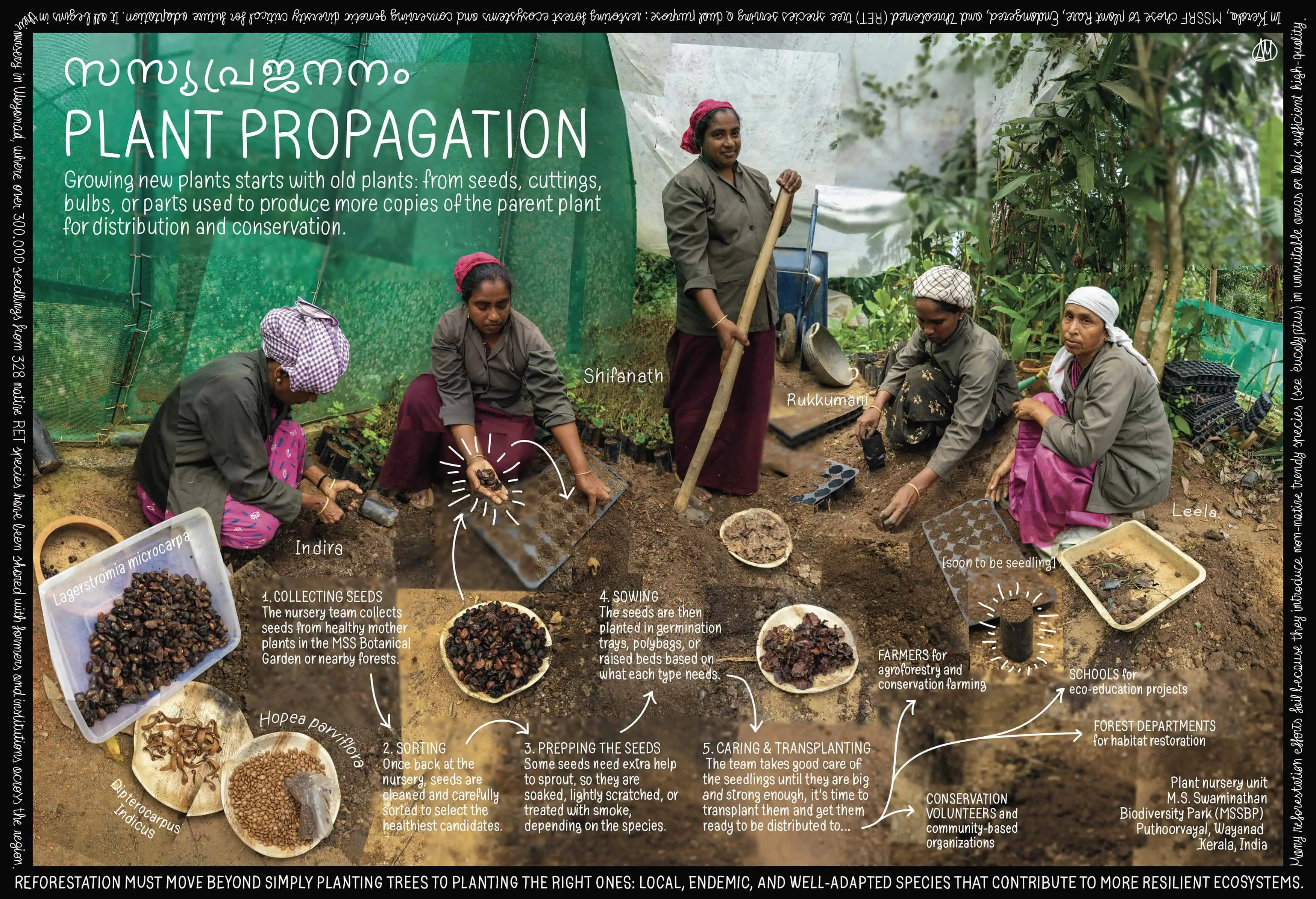

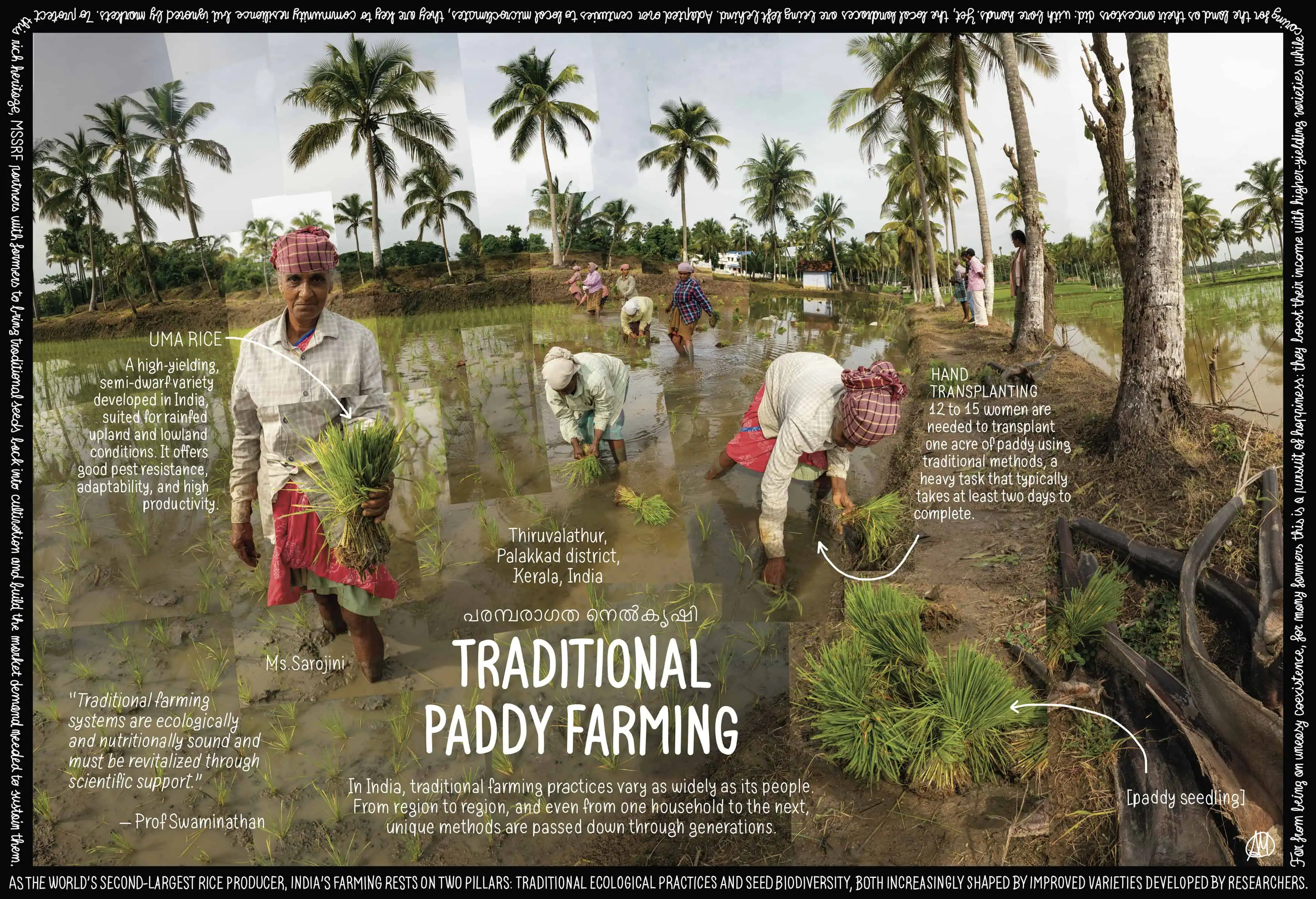
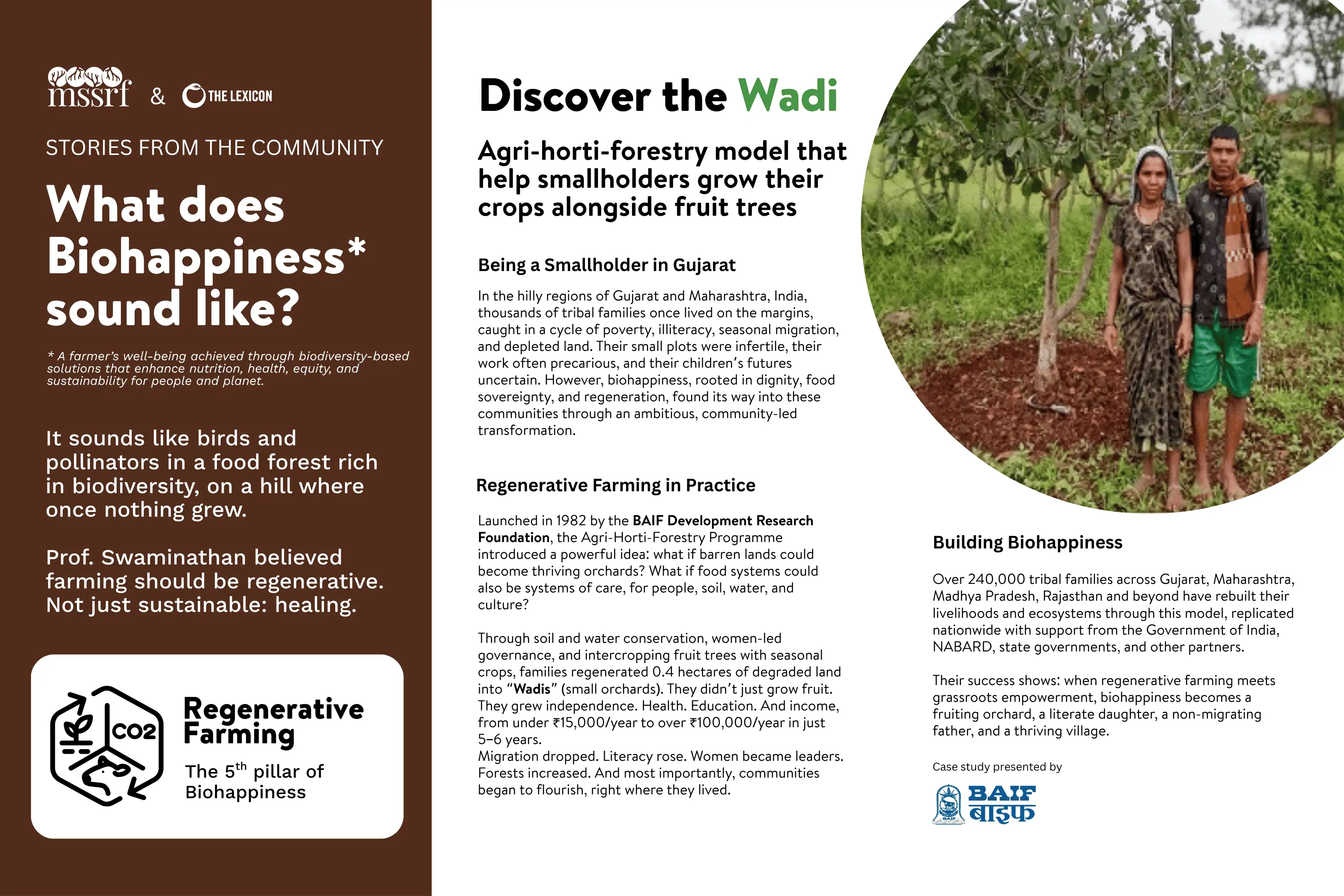
Farmers in the Indian Subcontinent blend traditional knowledge with regenerative farming to heal their land. They face harsh markets and shifting climates, yet their commitment to soil and biodiversity runs deep. With support from scientists and a network of fellow farmers, they strengthen their practices, making them more sustainable and resilient. Together, they restore ecosystems, securing livelihoods, and healing the planet.


Innovation and Value Chain
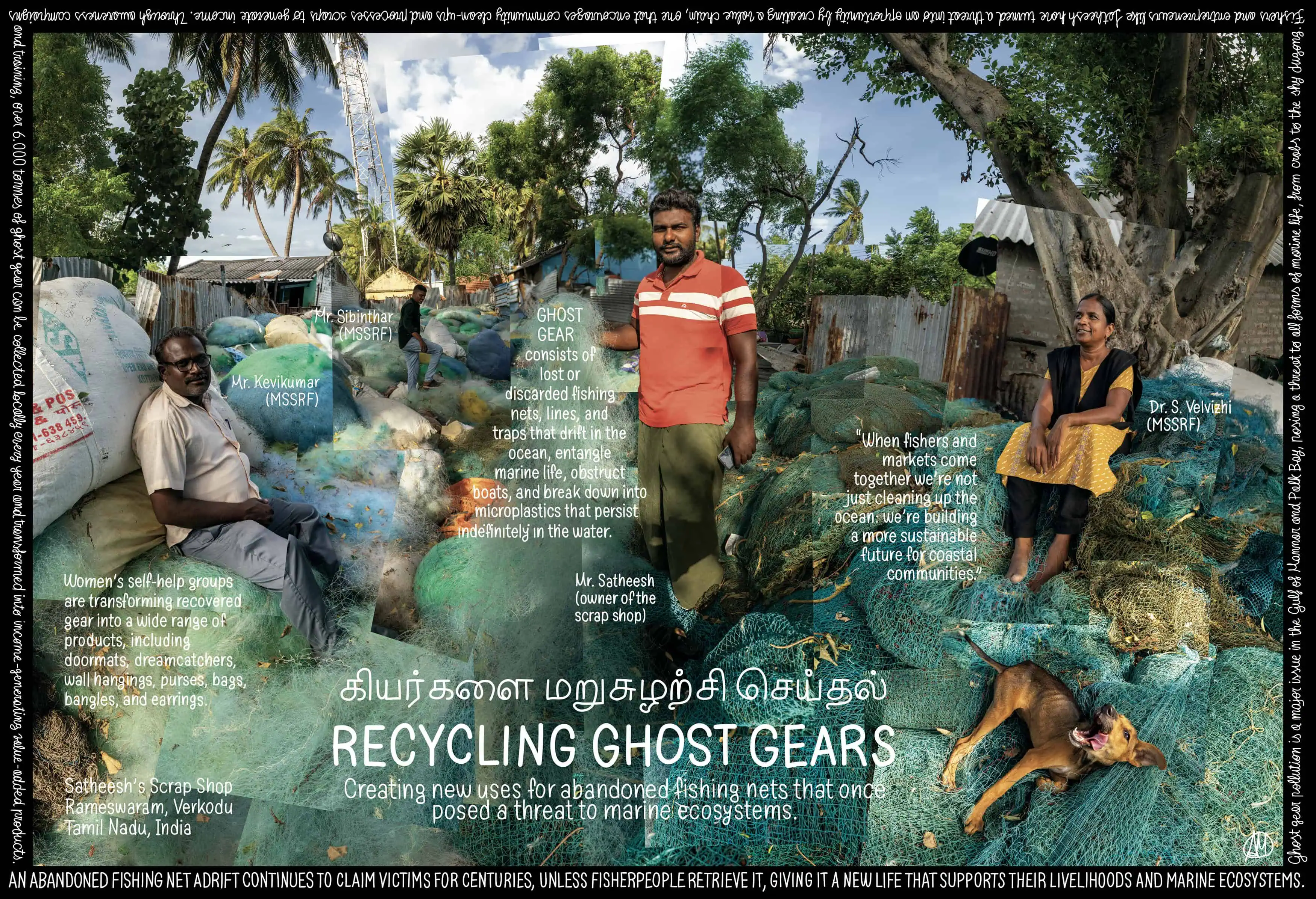
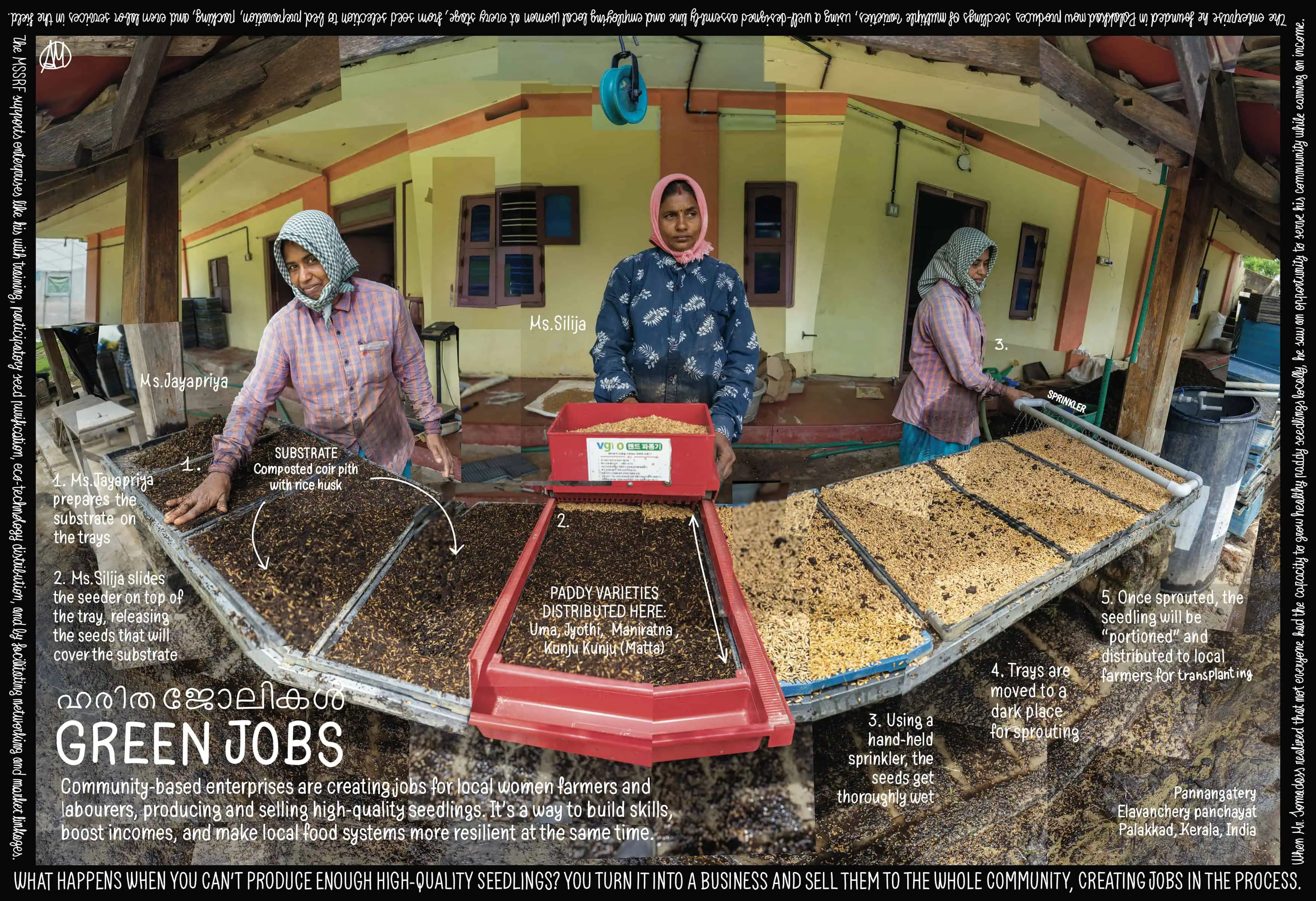
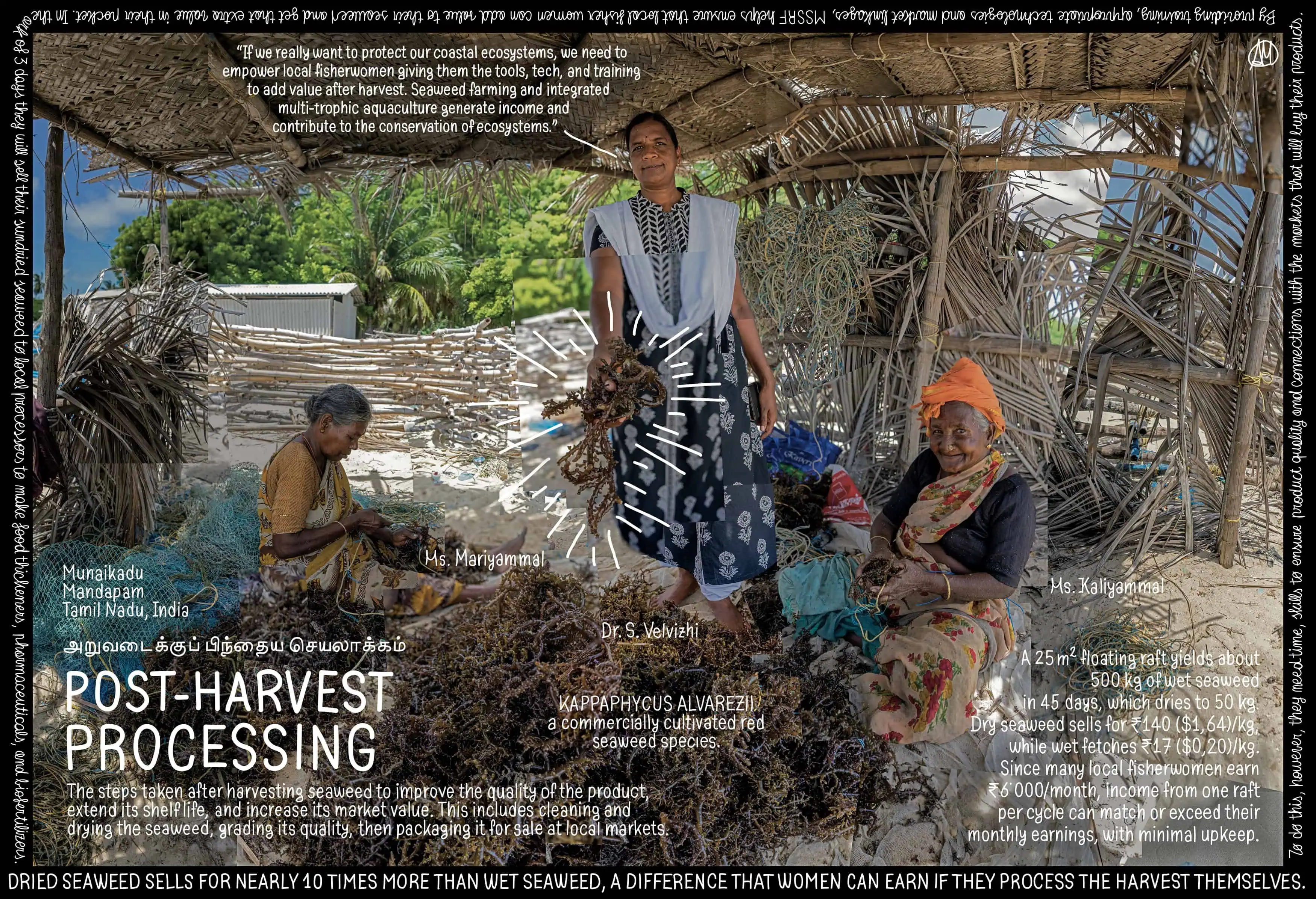
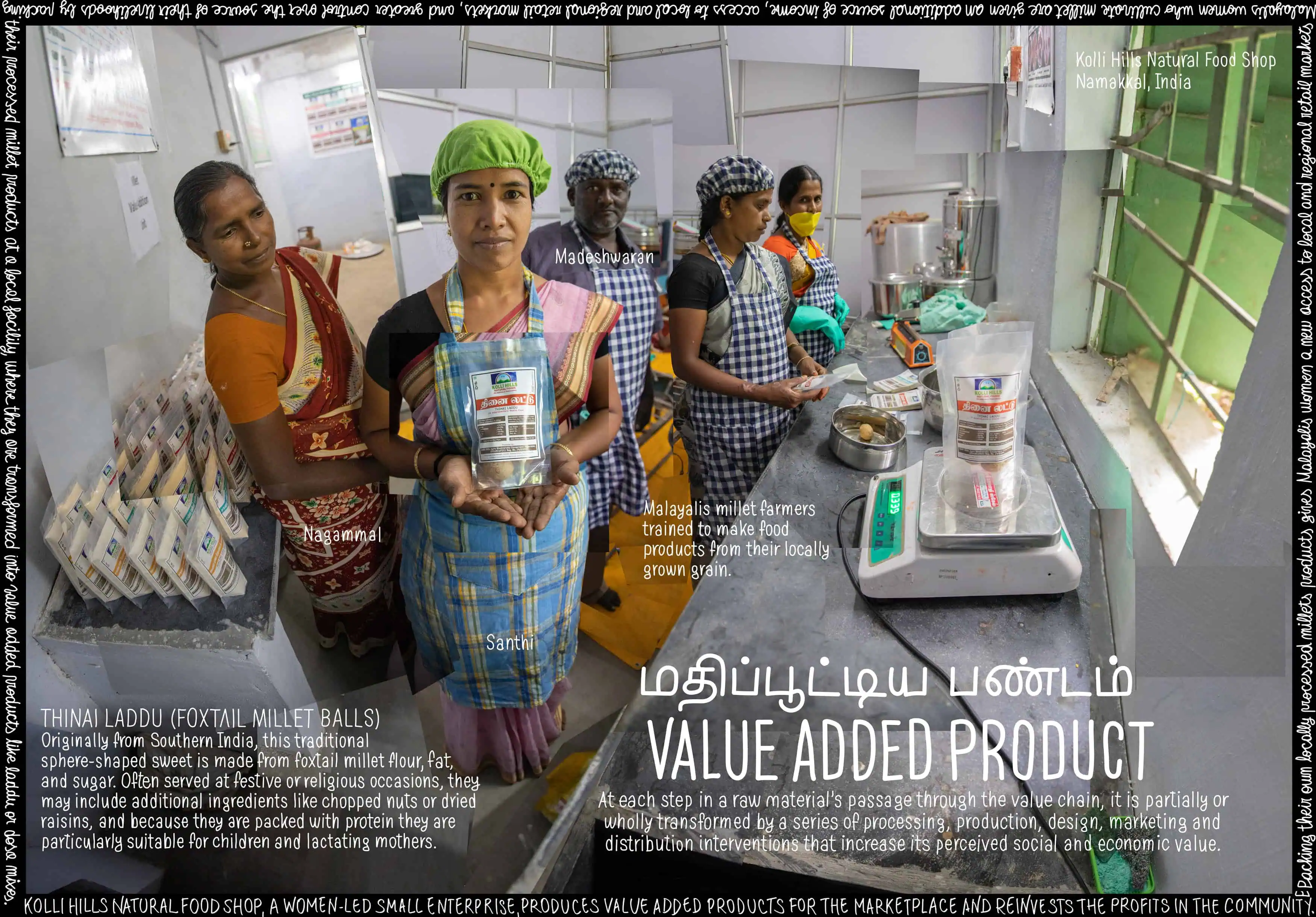
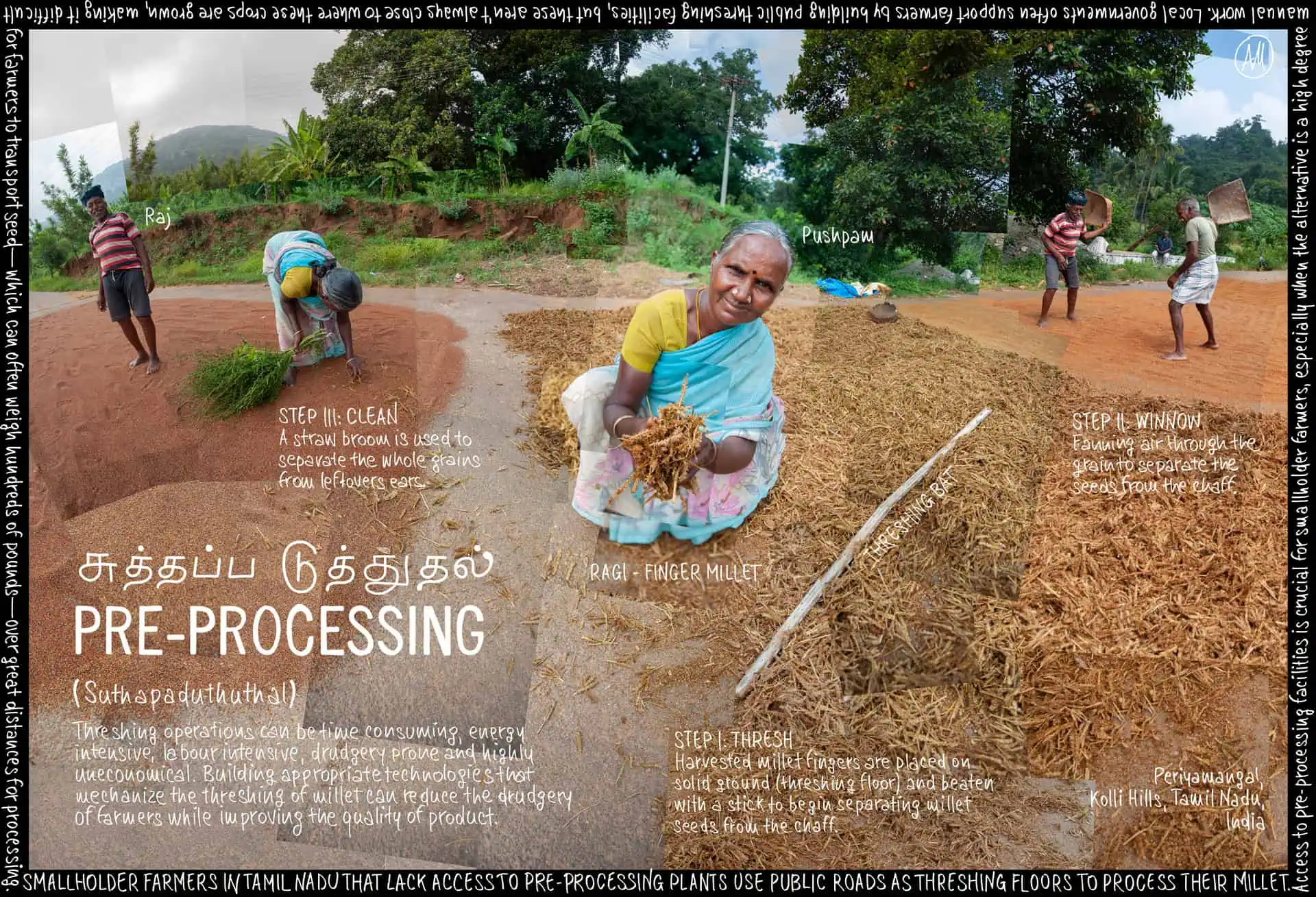
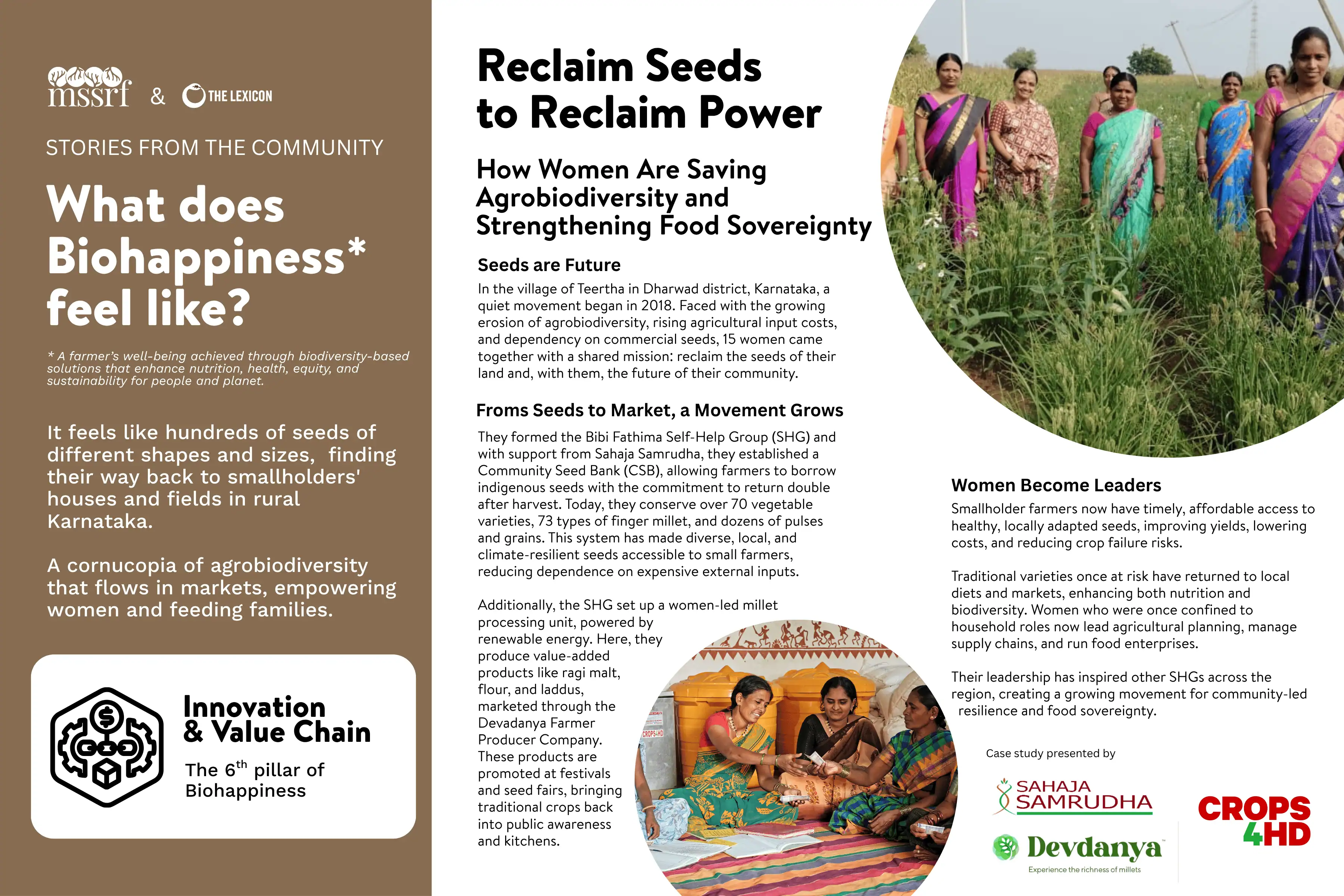
Farmers and entrepreneurs in diverse communities in India are driving innovation across the entire food value chain, from growing to processing, distributing, and consuming. By creatively using local biodiversity and blending it with frontier technology, they unlock new economic opportunities that support fair trade and improve nutrition. Though challenges like market access and fairness remain, inclusive innovation helps build resilient systems.


Climate and Health
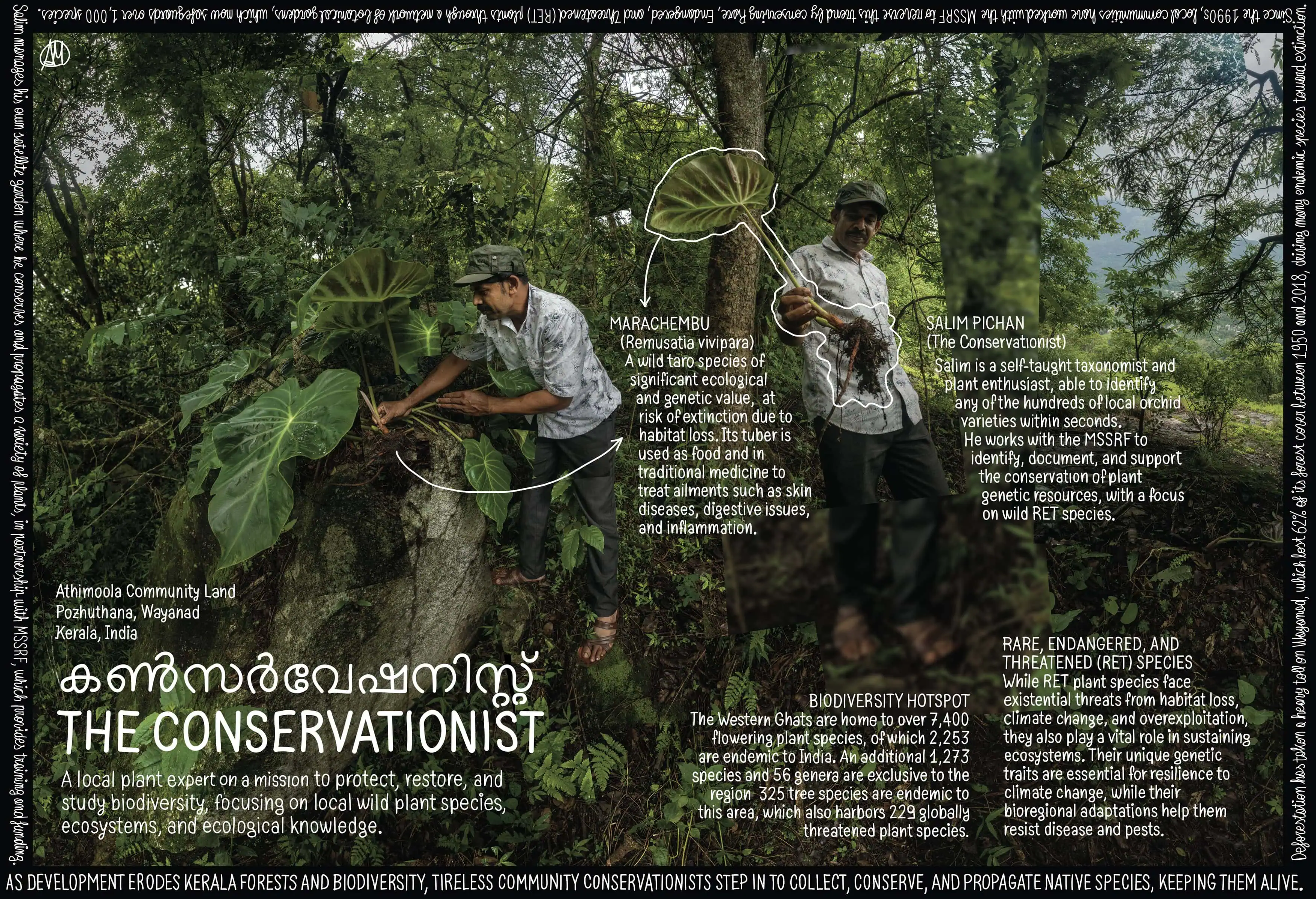
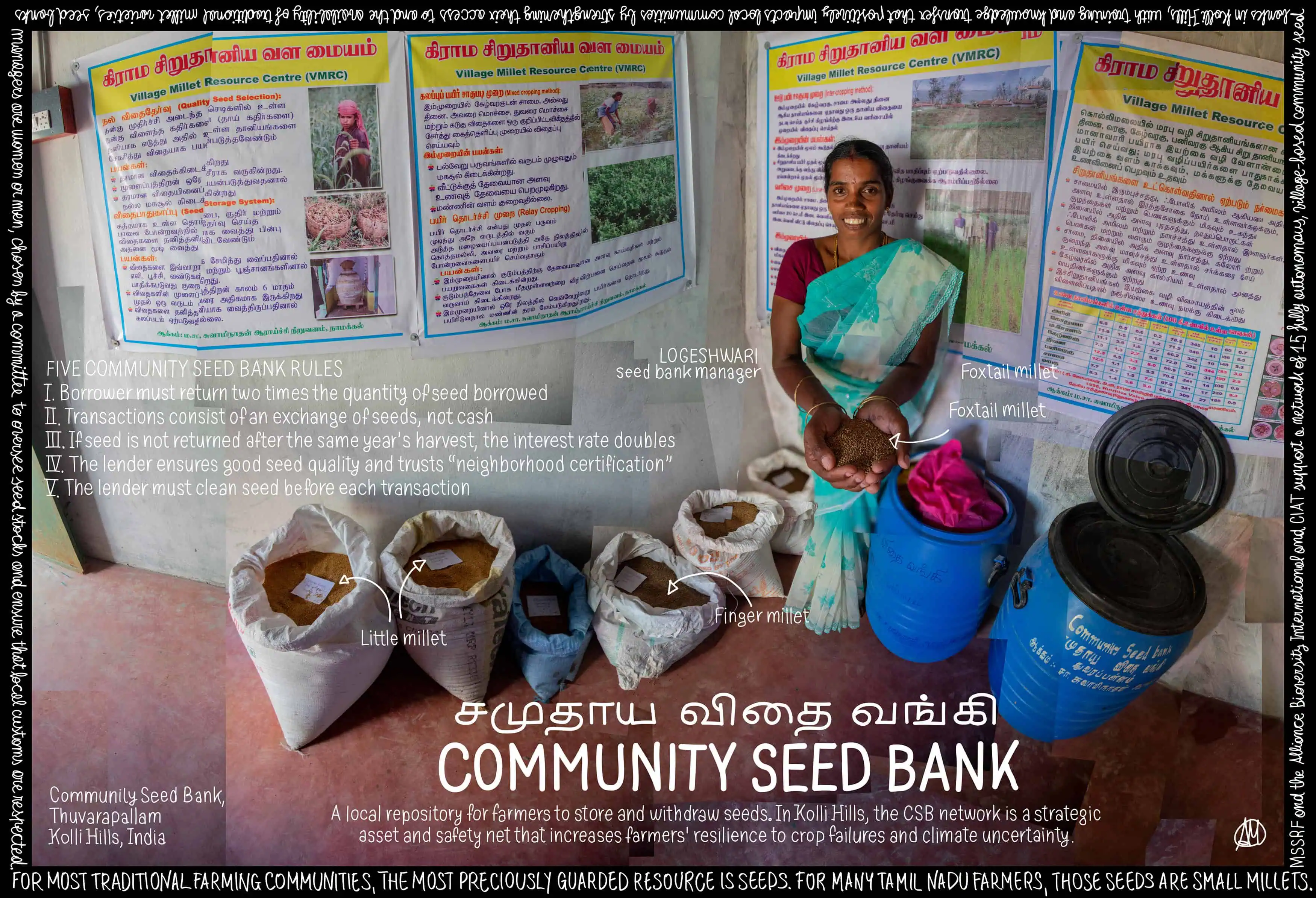
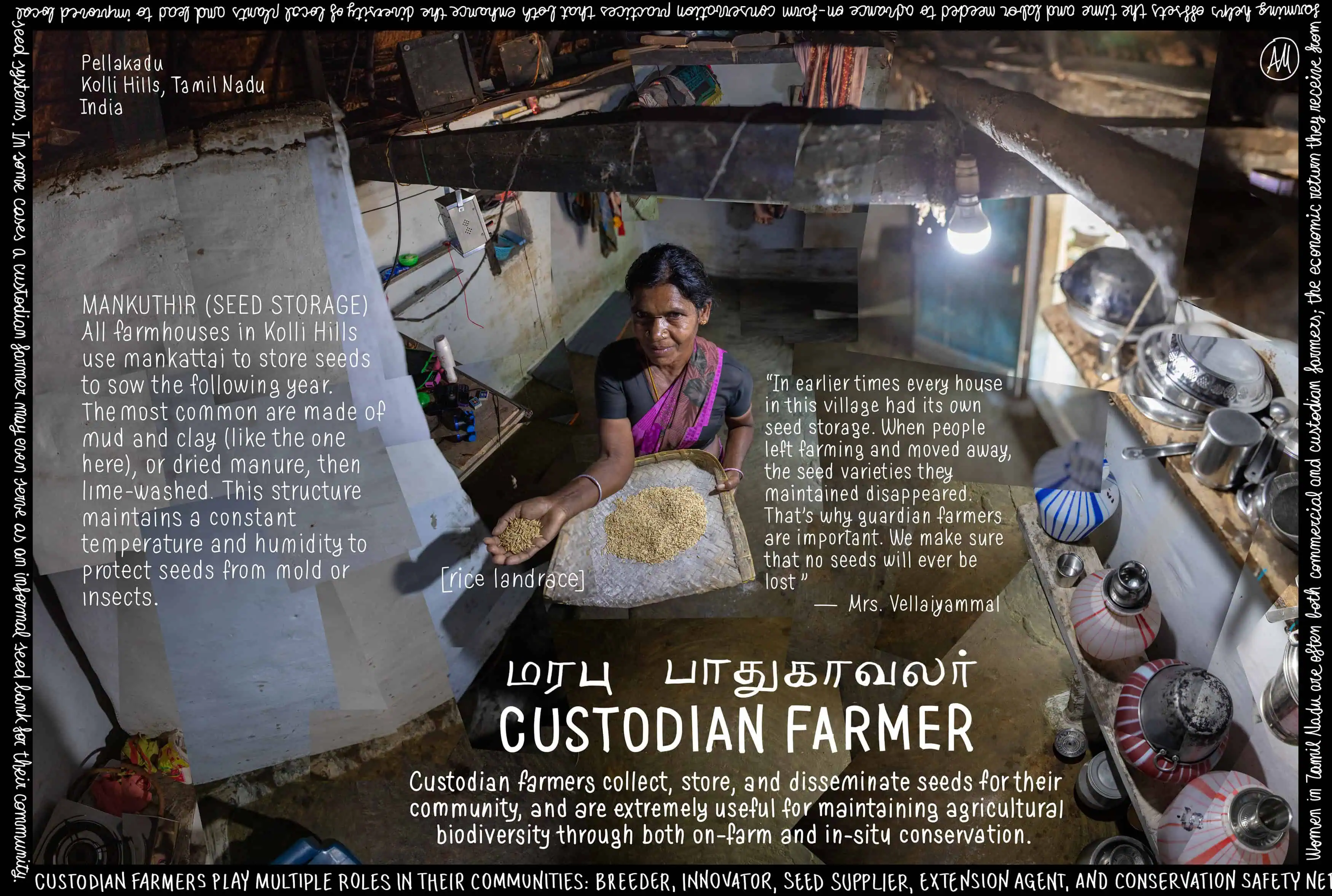
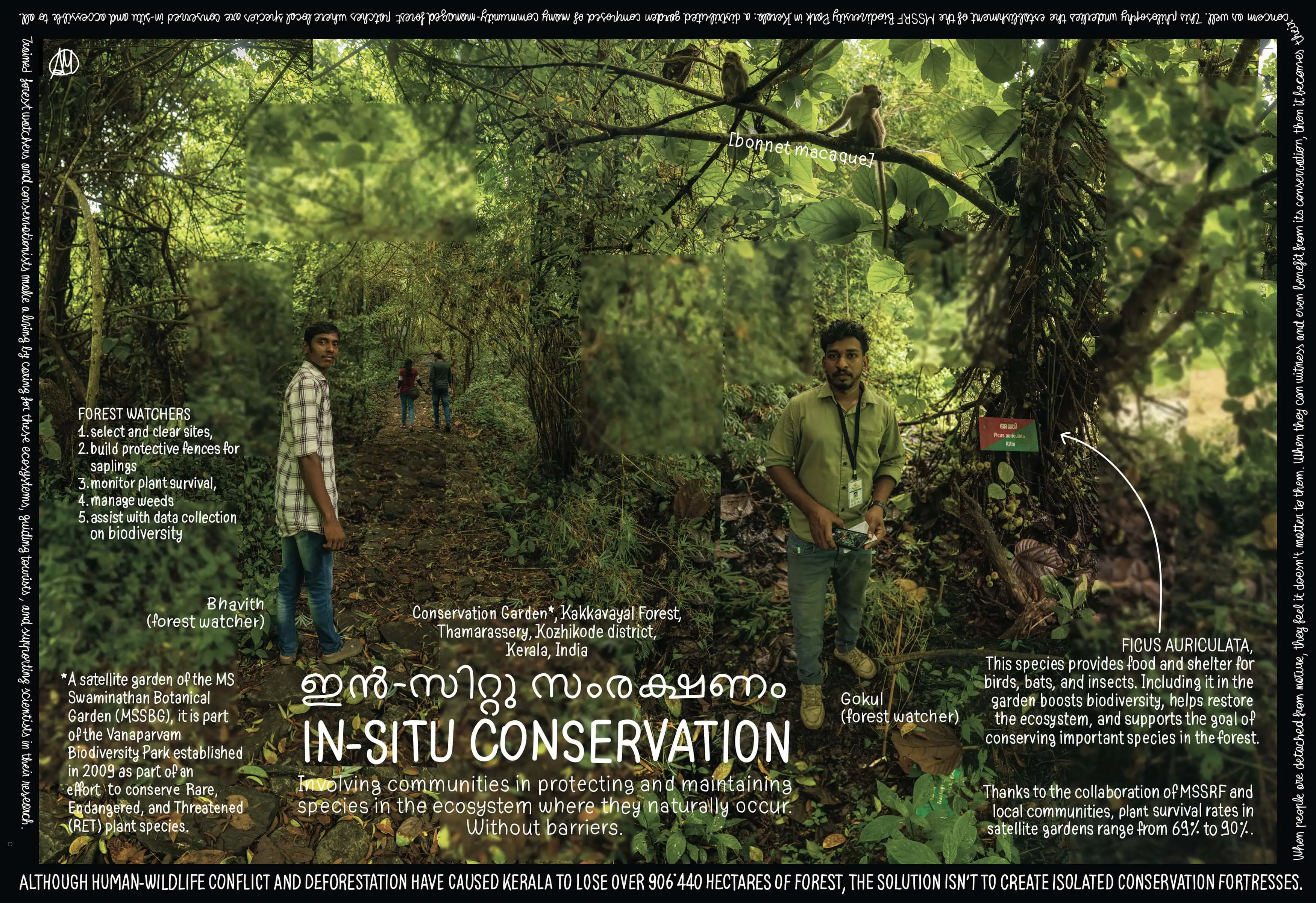

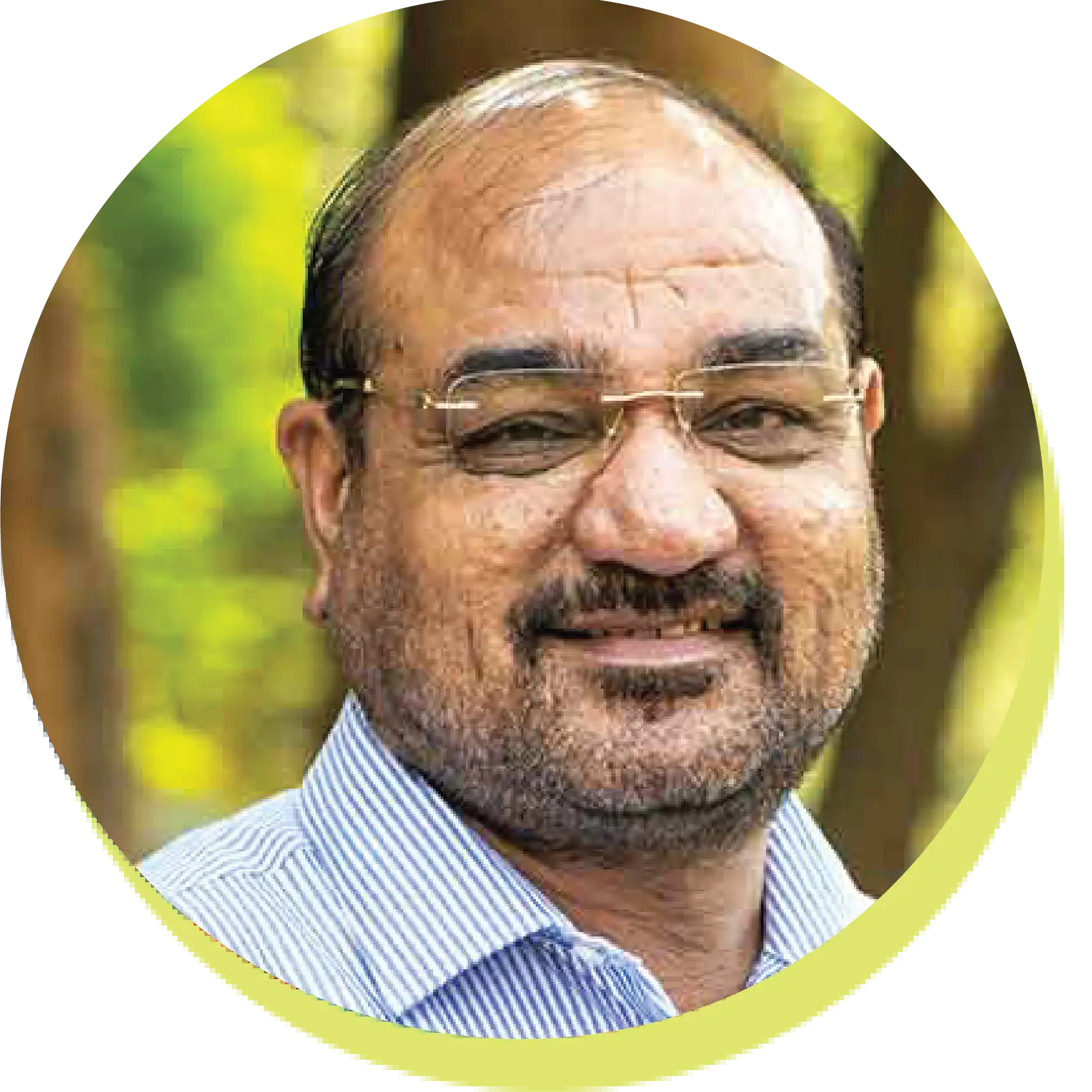
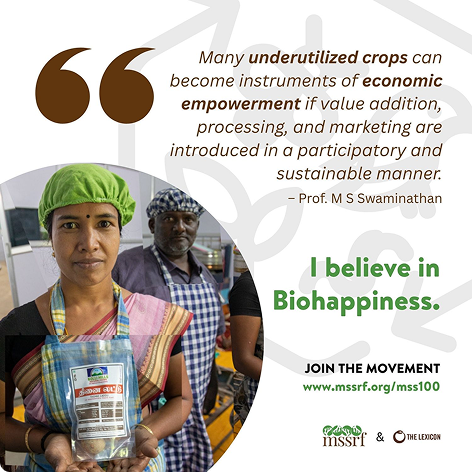
Prof. Swaminathan understood early on that climate change is also a health crisis. Farmers and communities face rising disease risks and unstable food supplies as the planet warms. But by embracing biodiversity and nature-based solutions, they build resilient food systems that protect both physical and mental health. These integrated approaches help people adapt, reduce risks, and nurture well-being, paving the way to lasting biohappiness amid a changing climate.

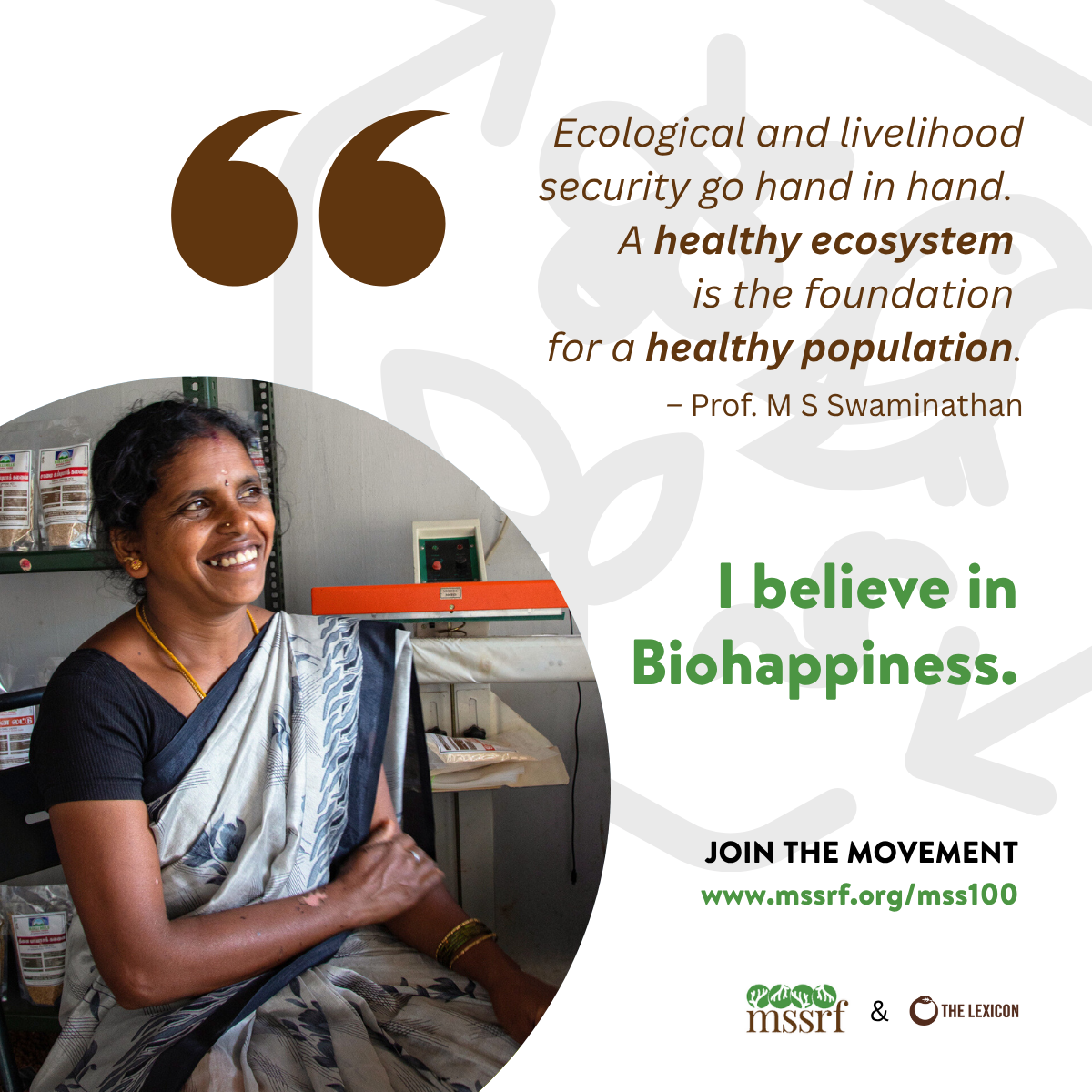


Join The Lexicon and MSSRF to spread Biohappiness worldwide! By filling out a quick form, you’ll join a global network of organizations dedicated to sharing knowledge and practices for healthier food systems and ecosystems. Choose the pillar that inspires you most and connect with a community driving real change. After the Delhi event, we’ll reconnect to co-create a digital platform and program to empower biohappiness globally. Be part of this journey, help ideas grow into action!